Reshaping the Beauty Industry in 2026: Probiotic Cosmetics Boom
02 Feb 2026 • by Natalie Aster
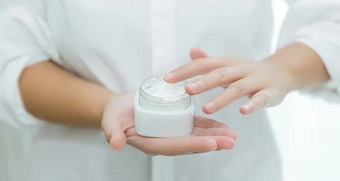
The global beauty landscape is undergoing a powerful transformation, and 2026 marks the year probiotic cosmetics shift from niche innovation to mainstream dominance. As consumers prioritize microbiome health, transparency, and science-backed skincare, probiotic-powered formulations are rewriting industry standards, driving exponential growth and redefining what “healthy skin” truly means.
The Microbiome Revolution: Why Probiotic Beauty Is Surging in 2026
The modern consumer no longer seeks superficial beauty solutions. Instead, they desire skin resilience, barrier function, and biome balance – all core benefits of probiotic skincare. The skin microbiome market has evolved rapidly due to advancements in dermatological science, growing awareness of flora-friendly ingredients, and the increasing rejection of harsh chemical formulations.
In 2026, brands are not just promising hydration or anti-aging, they’re offering microbiome nurturing, biological harmony, and cellular-level wellness.
Explosive Market Growth Backed by 2026 Data
Industry analyses reveal that the global probiotic cosmetics market is expected to reach nearly USD 90 billion by 2026, driven by clean beauty adoption and microbiome-forward formulations. Below is a visualization of the rapid expansion of this sector:
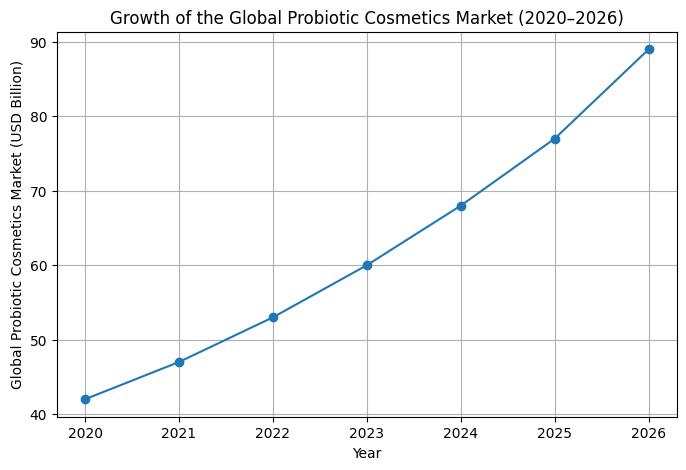
This growth reflects not just consumer demand but also heavy R&D investment from industry leaders moving aggressively into microbiome-safe products.
Science-Driven Formulations: The Core of the Probiotic Beauty Boom
Probiotic cosmetics rely on live cultures, lysates, and ferments to promote healthy microbial colonies on the skin. Their transformative power comes from enhancing natural skin defense mechanisms, neutralizing inflammation, improving moisture retention, strengthening the epidermal barrier, and supporting recovery from acne, eczema, and sensitivity.
Unlike traditional cosmetics that rely on “one-size-fits-all” solutions, probiotic cosmetic formulations adapt to the unique microbial composition of the individual, making them highly personalized and effective.
Consumer Behavior Shift: Microbiome-Friendly Beauty Takes the Lead
As we enter 2026, consumers are choosing products that support internal and external wellness synergy. A major driver behind the rise of probiotic cosmetics is the demand for non-disruptive skincare that avoids harming beneficial bacteria; natural, fermented, clean ingredients backed by clinical evidence; and long-term skin health benefits over temporary aesthetic fixes. Gen Z and Millennials, in particular, have shifted toward biological beauty – a category rooted in biotechnology rather than traditional cosmetics.
Probiotic Beauty Trends Leading the Industry in 2026
Living Skincare Formulations
Live probiotic strains designed for topical application are becoming commercially viable thanks to improved stabilization technologies. These “living creams” deliver active cultures directly into the skin’s ecosystem.
Fermentation-Based Actives
Fermented extracts, rich in peptides, amino acids, and postbiotics, are dominating 2026 product lines. They enhance ingredient bioavailability while being gentle on sensitive skin.
Dermatologist-Approved Microbiome Therapies
More dermatologists are prescribing probiotic skincare as a holistic alternative to antibiotic treatments, especially for acne and dermatitis.
Personalized Microbiome Testing Kits
Consumers can now test their skin flora and receive tailored probiotic formulations, turning skincare routines into biotech-supported regimens.
Postbiotic Sunscreens
A breakthrough category in 2026, postbiotic-infused sunscreens protect the skin barrier while shielding microbial diversity from UV-induced imbalance.
The Business Impact: How Brands Are Repositioning for the Probiotic Era
Major beauty conglomerates and indie disruptors alike are reformulating entire product lines around microbiome safety. Strategic moves shaping the market include:
- heavy investment in microbiome research labs;
- Partnerships with biotech startups;
- Launches of fermentation-based skincare collections;
- Transparent labeling emphasizing “biome-friendly” guarantees;
- Expansion into probiotic haircare, body care, and makeup.
The brands leading 2026 are those that treat skin as a living organ with a diverse biological ecosystem, rather than a blank canvas to strip and rebuild.
Probiotic Cosmetics: The Future of Beauty Has Arrived
As the beauty sector evolves, probiotic cosmetics are no longer a trend – they’re a technological leap forward. Driven by scientific validation, soaring consumer demand, and the industry-wide pivot to microbiome-safe innovation, the category is set to dominate 2026 and beyond.
Probiotic beauty represents the new gold standard in skincare: natural, biologically aligned, clinically effective, and rooted in holistic wellness. Beauty is no longer just about looking good; it’s about thriving from the microbiome up.
At Market Publishers you’ll find a rich collection of insightful research studies featuring various sectors of the beauty industry. Simply use the search form to find the report you need.
CONTACTS
The Market Publishers, Ltd.
Natalie Aster
Tel: +357 96 030 922
[email protected]
MarketPublishers.com
Analytics & News