M-Phenylenediamine: A Critical Component in Polymers & Synthetic Fibers
19 Feb 2025 • by Natalie Aster
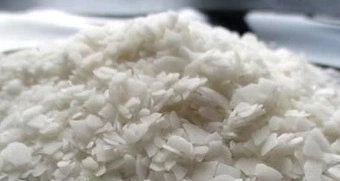
M-phenylenediamine (MPD) stands as a cornerstone in the synthesis of high-performance materials, notably in the production of synthetic fibers and specialized polymers. This organic compound, with its robust chemical structure and adaptable properties, fuels innovations across various industrial sectors. Let’s delve into how MPD's unique characteristics make it indispensable in advanced manufacturing processes.
Unveiling the Properties of M-Phenylenediamine
MPD is distinguished by its chemical composition: two amino groups attached to a benzene ring. This structure not only imparts impressive thermal stability but also enhances the material's resistance to harsh chemicals. Such resilience makes MPD a preferred component in crafting aramid fibers like Kevlar and Nomex, renowned for their usage in bulletproof vests and fire-resistant apparel.
The Role of MPD in Aramid Fiber Production
In the realm of synthetic fibers, MPD’s role is pivotal. The synthesis process of aramid fibers involves the polycondensation of MPD with terephthaloyl chloride, resulting in a polymer chain that exhibits excellent strength and thermal stability. This process highlights MPD's capability to form bonds that confer enhanced durability and resistance to stretching, making it essential for applications requiring materials that withstand extreme conditions.
Advances in High-Performance Polymers
Beyond synthetic fibers, MPD proves vital in the creation of high-performance polymers, which are crucial for producing components used in the aerospace, automotive, and electronics industries. The intrinsic properties of MPD-infused polymers, such as high melting points and minimal thermal expansion, allow for their use in environments that demand high precision and reliability.
MPD in Epoxy Resins & Coatings
MPD's utility extends into the production of epoxy resins and coatings, where it acts as a hardening agent. Epoxy systems containing MPD exhibit superior adhesion, chemical resistance, and mechanical strength. These characteristics are essential for protective coatings in construction and industrial applications, where long-lasting durability is paramount.
Environmental & Safety Considerations
While MPD is invaluable in industrial applications, it does not come without its challenges, particularly regarding environmental and safety issues. Handling MPD requires strict safety protocols to mitigate exposure risks, as the compound can be hazardous if not managed properly. Furthermore, industries are continually seeking ways to reduce environmental impacts associated with MPD production and use, striving for greener alternatives without compromising performance.
Final Thoughts: The Future of MPD in Material Science
M-phenylenediamine’s role in the development of synthetic fibers and high-performance polymers is undeniably crucial. As industries push for materials that offer both high performance and sustainability, MPD's applications are likely to expand. Its ability to contribute to innovations that meet the demands of modern technology and environmental stewardship marks MPD as a continuingly relevant chemical in material science. The ongoing research and development in MPD applications promise to enhance its efficacy and safety, ensuring its place in the future of industrial advancements.
Product Details:
M-phenylenediamine (CAS 541-69-5) Market Research Report 2024
Published: February 2024
Pages: 50
Market Publishers boasts a rich collection of insightful research studies covering the chemicals and petrochemicals market, find it in the Chemicals & Petrochemicals Market Reports Catalogue.
CONTACTS
The Market Publishers, Ltd.
Natalie Aster
Tel: +357 96 030922
[email protected]
MarketPublishers.com
Analytics & News