
Honey & Bee Products Market: Key Trends Reshaping the Global Industry
23 Jul 2026 • by Natalie Aster
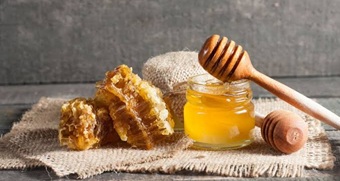
The global honey and bee products market is evolving from a largely volume-driven business into a more differentiated industry shaped by provenance, authenticity, premium varieties, climate-related supply risks and growing demand for value-added hive products. Global natural honey production reached approximately 1.89 million tonnes in 2023, according to FAO, while international trade continues to reveal enormous differences in the value commanded by different origins.
In 2024, China exported approximately 169,600 tonnes of honey worth USD 264.9 million, while New Zealand generated almost the same export value – USD 250.7 million – from only about 10,800 tonnes. This striking difference illustrates one of the industry's most important shifts: value increasingly depends on botanical origin, geographical identity and verified quality rather than volume alone.
Premium & Monofloral Honey Gains Market Value
Premiumization is transforming honey economics. Consumers increasingly differentiate between conventional blended products and varieties identified by floral source or geographical origin, including mānuka, acacia, buckwheat, eucalyptus, clover and forest honey.
Mānuka demonstrates how far this model can develop. New Zealand expects honey export revenue of around NZD 430 million in the year ending June 2026, supported by a market where verified origin and product classification can command substantial premiums.
The same strategy creates opportunities for other producing regions. Rather than competing exclusively on bulk prices, suppliers can develop monofloral, organic, single-region and limited-harvest honey categories.
Honey Authenticity & Traceability Become Critical
Food fraud has become one of the most significant issues facing the global honey market. A coordinated European Commission investigation analyzed 320 imported honey samples and classified 147, or 46%, as suspicious for non-compliance after detecting at least one marker associated with extraneous sugar sources.
The response is stronger regulation and better traceability. From mid-2026, honey blends sold in the EU must provide substantially greater transparency about their origins, including the countries represented in the blend and their percentage shares under the revised Honey Directive.
This shift increases demand for laboratory testing, batch documentation and digital traceability. For premium suppliers, verified authenticity is becoming a competitive advantage rather than simply a regulatory requirement.
Climate & Colony Health Increase Supply Risks
Honey production is unusually sensitive to environmental conditions because nectar flows depend on temperature, rainfall and flowering cycles. Drought, excessive rain or abnormal temperatures can sharply reduce harvests.
Evidence of this volatility is already visible. U.S. honey production declined 14% in 2025 to 116 million pounds, while the average producer price increased 27% to USD 3.05 per pound. New Zealand's 2024/25 honey production also fell approximately 11.4% to 15,500 tonnes.
Varroa mites, disease, pesticide exposure, forage loss and nutritional stress add further pressure. These factors can increase colony-management costs and make supplies of specific monofloral varieties particularly unpredictable.
Bee Products Expand Beyond Honey
Diversification is becoming another important market development. Beeswax, propolis, royal jelly and bee pollen allow producers to generate additional revenue from each colony while accessing cosmetics, dietary supplements, functional foods and personal-care markets. For instance, propolis is increasingly incorporated into oral-care and wellness formulations, while beeswax remains important in cosmetics, pharmaceuticals, candles and specialty products. Royal jelly occupies a smaller but higher-value niche in supplements and premium beauty applications. This transition is gradually changing commercial apiculture from a honey-centered business into a broader bee-derived ingredients industry.
Precision Beekeeping Introduces New Technology
Digital technology is also entering apiaries. Connected hive scales can monitor weight changes associated with nectar flows, while temperature, humidity and acoustic sensors provide information about colony conditions. Combined with weather and flowering data, these technologies can improve hive management, reduce unnecessary inspections and potentially provide earlier warning of abnormal colony behavior. Digital systems are simultaneously improving supply-chain traceability by connecting batches with beekeeper identity, harvest location, laboratory testing and processing records.
To Conclude:
The honey and bee products market is becoming increasingly segmented between low-cost bulk honey and higher-value products built around verified origin, botanical identity and quality. Premiumization and stronger authenticity controls will be particularly important, while climate volatility and colony health could constrain supply and increase production costs. At the same time, propolis, beeswax, royal jelly and pollen are expanding the commercial value of apiculture beyond honey alone. The industry's next stage will therefore be defined less by simply increasing production and more by proving authenticity, capturing value from provenance, diversifying hive products and applying technology throughout production and traceability.
Market Publishers boasts a rich collection of research reports featuring various sectors of the honey and bee products market, simply use the search form to find the study you need.
CONTACTS
The Market Publishers, Ltd.
Natalie Aster
Tel: +357 96 030 922
[email protected]
MarketPublishers.com
Analytics & News
29 Oct 2026
Where Is the Diagnostics Market Heading? 10 Promising Sectors to Watch
26 Oct 2026
Weekly Chemical Market Tracker: Update for October 19-26, 2026
23 Oct 2026
Military Aviation Market: Recent Developments Shaping 2026
21 Oct 2026
New Era of Cryptocurrency: The Rise of Regulated Digital Finance
19 Oct 2026
Weekly Chemical Market Tracker: Update for October 12–19, 2026
