Sodium Chlorate Market: Key Trends to Watch in 2026
02 Oct 2026 • by Natalie Aster
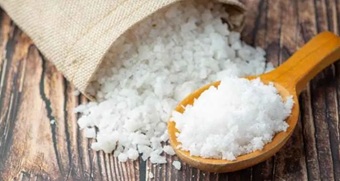
The sodium chlorate market is entering a period of gradual transformation as changes in global pulp production, sustainable packaging demand, electricity costs, and industrial decarbonization reshape consumption and investment patterns. Sodium chlorate is produced primarily through the electrolysis of sodium chloride brine and is overwhelmingly associated with the production of chlorine dioxide, a bleaching chemical used by the pulp and paper industry.
The market remains closely tied to bleached chemical pulp. Therefore, sodium chlorate production capacity is increasingly following the geographic expansion of pulp manufacturing, creating stronger growth opportunities in South America and Southeast Asia, while mature pulp-producing regions such as Nordic Europe and North America face stagnation or modest contraction.
Market estimates vary by methodology, but recent industry estimates place the global sodium chlorate market at approximately USD 3.0–3.6 billion in 2025, pointing to continued moderate expansion through the next decade.
Pulp & Paper Bleaching Remains the Core Demand Engine
The most important sodium chlorate market trend remains its dependence on pulp bleaching. Sodium chlorate is converted into chlorine dioxide, which is extensively used in Elemental Chlorine Free (ECF) bleaching to produce bright pulp while limiting the formation of undesirable chlorinated compounds associated with older elemental-chlorine processes. As of 2025, pulp and paper bleaching represented approximately 67% of sodium chlorate market revenue.
Demand is increasingly supported by packaging, tissue, hygiene papers and specialty grades rather than traditional printing and writing paper alone. The continuing substitution of plastic packaging with fiber-based alternatives provides another structural demand channel for bleached pulp and, consequently, bleaching chemicals.
South America Is Becoming a Strategic Sodium Chlorate Production Hub
One of the clearest geographical shifts is occurring in South America. Brazil's large, modern eucalyptus pulp industry is encouraging chemical suppliers to locate sodium chlorate capacity close to major mills.
Recent investments illustrate this trend. Sodium chlorate capacity at a Brazilian production facility was expanded by more than 10% to serve growing regional pulp demand, while another major project announced in 2025 involves integrated sodium chlorate and chlorine dioxide manufacturing capacity in Mato Grosso do Sul.
This integrated model is particularly significant for sodium chlorate because transportation economics matter. Locating chemical production close to large pulp complexes can reduce logistics requirements while providing customers with more reliable supplies.
Electricity Costs Are Reshaping Sodium Chlorate Production Economics
Electricity is a critical input because commercial sodium chlorate is manufactured electrochemically. Energy prices therefore have a direct influence on plant competitiveness, operating rates and regional production economics.
Recent price movements demonstrate this relationship. In December 2025, indicative sodium chlorate prices reached approximately USD 598 per metric ton in the United States, USD 630 in China, USD 774 in Germany, USD 796 in France and USD 669 in Brazil, although prices vary according to grade, contract conditions and location. European markets continued to experience comparatively high energy-related production costs.
Access to competitively priced electricity is consequently becoming an increasingly important factor when producers evaluate expansions and long-term supply agreements.
Sodium Chlorate Supply Is Moving Closer to Pulp Mills
Another important market development is the increasing integration of chemical supply with major pulp production sites. Instead of relying exclusively on long-distance transportation, suppliers can establish sodium chlorate and chlorine dioxide facilities near large customers. This approach improves supply security and creates long-term relationships between chemical producers and pulp manufacturers. The model is particularly attractive for new world-scale pulp projects, where predictable chemical consumption can support dedicated production capacity. As pulp investment migrates toward highly productive forestry regions, sodium chlorate investment is likely to follow.
Alternative Bleaching Technologies Remain a Market Variable
Sodium chlorate's dominant position in pulp bleaching does not eliminate competition from other bleaching chemicals. Hydrogen peroxide, oxygen and ozone can supplement or partially replace chlorine dioxide at different stages of pulp bleaching. Technological changes and the relative economics of alternative bleaching chemicals can influence sodium chlorate consumption. Future demand therefore depends not only on total pulp production but also on bleaching sequences, environmental requirements, pulp grades and chemical costs.
Asia-Pacific Strengthens Its Position in Sodium Chlorate Consumption
Asia-Pacific is another critical region for the market. The region represented around 35.8% of global sodium chlorate revenue in 2025. China's enormous paper manufacturing industry remains important, while expanding pulp, packaging and tissue production across other Asian markets supports additional chemical consumption. Sodium chlorate capacity in the region is poised to continue increasing especially in Southeast Asia. The geographic center of the industry is therefore gradually becoming more diversified.
Looking Forward
The sodium chlorate market outlook is defined by moderate global growth combined with significant regional restructuring. Pulp and paper bleaching will remain the industry's principal demand base, but the strongest opportunities are increasingly connected to expanding pulp capacity in South America and parts of Asia.
At the same time, electricity prices, renewable power availability, integrated chemical production and lower-carbon manufacturing are becoming more important competitive factors. Producers positioned near modern pulp complexes and supplied by reliable, cost-effective electricity will have structural advantages.
Sodium chlorate may be a mature industrial chemical, but its market is far from static. The combination of sustainable fiber-based packaging, new pulp capacity, ECF bleaching, regional production shifts and industrial decarbonization is redefining where sodium chlorate is produced, how it is supplied and which markets will generate the strongest incremental demand over the coming decade.
Related reports:
- Sodium Chlorate: 2026 World Market Outlook and Forecast up to 2035
- SODIUM CHLORATE (CAS 7775-09-9) Market Research Report 2026
- Sodium chlorate Market Research Report 2026
- Sodium-chlorate: Global Product Intelligence (2020-2025)
- 2026-2031 Global Sodium Chlorate Outlook Market Size, Share & Trends Analysis Report By Player, Type, Application and Region
- Sodium Chlorate Market Report by Form (Crystalline, Solution), Application (Pulp and Bleaching Industry, Chlorates of Other Metals, Leather Tanning, Dyes, and Others), and Region 2026-2034
For country-wide and regional reports covering the sodium chlorate market follow to this Market Publishers’ catalogue.
CONTACTS
The Market Publishers, Ltd.
Natalie Aster
Tel: +357 96 030 922
[email protected]
MarketPublishers.com
Analytics & News
30 Sep 2026
The Rise of Agrivoltaics: Where Solar Energy Meets Modern Agriculture
28 Sep 2026
Ammonia: Major Trends Shaping the Market Landscape in 2026
24 Sep 2026
What’s Next for Cybersecurity & Data Protection: A Brief on Major Trends
22 Sep 2026
Methanol Synthetic Gasoline: MTG Technology Moves Toward Commercial E-Fuels