Polycarbonate: The High-Performance Plastic Behind Modern Technology
20 Aug 2026 • by Natalie Aster
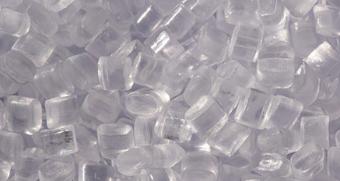
Polycarbonate has become one of the most important engineering plastics in modern manufacturing because it solves a rare performance problem: it combines glass-like clarity, high impact resistance, dimensional stability, electrical insulation, and heat tolerance in one material. In industries where ordinary plastics crack, deform, yellow, or fail under stress, polycarbonate continues to gain attention as a material for protective, optical, electronic, automotive, medical, and construction applications.
The reason polycarbonate is so widely used is not simply that it is “strong.” Its value lies in the balance of properties. It can be transparent enough for lenses and glazing, tough enough for safety shields, stable enough for electrical housings, and processable enough for injection molding, extrusion, films, sheets, and complex blends. Recent technical literature describes polycarbonate as offering transparency above 90%, strong impact resistance, low water absorption, good electrical properties, and broad use across electronics, construction materials, automotive components, aircraft, medical products, and packaging.
Polycarbonate Market Growth: A Specialty Plastic Moving with Technology Demand
The polycarbonate market is expanding because the industries that rely on it are also moving toward lighter, tougher, safer, and more design-flexible materials. Market estimates differ depending on whether they measure base resin, sheets, films, blends, or compounded grades, but the direction is consistent: demand is growing through automotive electrification, consumer electronics, LED lighting, medical devices, building materials, and high-performance glazing.
The volume outlook points to a market that is no longer driven by commodity replacement alone. Demand is shifting toward higher-grade applications where performance, certification, optical quality, flame retardancy, and long service life matter. The global polycarbonate demand was estimated at around 5.08 MMT in 2024, with projected demand of 7.03 MMT by 2034. The market was valued at some USD 25 billion in 2025 and is slated to reach USD 36.1 billion by 2033.
This projected increase shows why polycarbonate remains strategically important even in a plastics industry affected by oversupply, recycling pressure, and regional cost differences. Global plastics production reached 430.9 million metric tons in 2024, with China accounting for 34.5% of output and Europe’s share falling to 12%, a major shift in the global production map.
Why Polycarbonate Performs Better Than Standard Plastics
Polycarbonate’s molecular structure gives it a practical performance profile that commodity plastics cannot easily match. It resists sudden impact, maintains clarity, tolerates mechanical stress, and supports thin-wall designs. This is why it appears in safety glasses, face shields, machine guards, automotive lighting, headlamp lenses, electronic housings, medical components, architectural panels, and optical parts.
In consumer electronics, polycarbonate protects internal components while supporting slim, durable designs. In vehicles, it enables lightweight lighting systems, transparent components, interior parts, and design freedom that glass and metal cannot always provide. In construction, multiwall polycarbonate sheets are used for roofing, skylights, façades, greenhouses, and protective glazing because they combine light transmission with toughness and lower weight.
Automotive glazing is one of the clearest examples of the material’s weight-saving potential. Polycarbonate window glazing can weigh 40–60% less than laminated or tempered automotive glass, while also supporting impact resistance, transparency, heat resistance, low flammability, and advanced LED lighting designs.
The strongest growth is coming from applications where product failure is expensive or dangerous. A cracked housing, fogged lens, brittle medical component, or low-grade glazing panel can create safety, warranty, and performance problems. Polycarbonate justifies its higher price by reducing those risks.
Polycarbonate in Automotive, Electronics & Smart Infrastructure
Modern vehicles need materials that support electrification, lighting efficiency, weight reduction, thermal management, and long-term durability. Polycarbonate is used in LED lighting lenses, interior trim, instrument clusters, sensor covers, connectors, battery-related parts, and glazing concepts. As electric vehicles integrate more electronics and visual design features, polycarbonate’s role moves beyond simple plastic substitution.
Electronics manufacturers use polycarbonate because devices are becoming thinner, hotter, more complex, and more exposed to daily mechanical stress. Laptops, smartphones, chargers, routers, smart-home devices, and industrial control equipment all require materials that protect circuitry while meeting design and safety standards. Polycarbonate and PC/ABS blends are especially important where rigidity, surface finish, processability, and impact strength must work together.
Sustainability & Circular Polycarbonate
Sustainability is now reshaping the polycarbonate value chain. Producers are developing mechanically recycled grades, chemically recycled attributed grades, bio-circular feedstock options, and mass-balance certified materials for customers that need lower-carbon plastics without sacrificing performance.
Covestro has reported Makrolon® PCR polycarbonate resin with a carbon footprint 70% lower than comparable fossil-based virgin plastic, and its renewable-attributed Makrolon® RE grades can contain up to 89% attributed bio-circular raw materials. The company has also introduced chemically recycled attributed polycarbonates for high-purity applications, including automotive use cases.
This matters because polycarbonate is often used in durable products rather than disposable packaging. Longer service life, repairability, mechanical recycling, and chemically recycled feedstocks can make the material more attractive in electronics, automotive, construction, and medical markets where performance standards remain strict.
Polycarbonate Outlook: From Durable Plastic to Strategic Technology Material
Polycarbonate is no longer just a transparent engineering plastic. It is a performance material positioned at the intersection of mobility, electronics, safety, construction, healthcare, and circular manufacturing. Its future growth will depend on specialized grades: flame-retardant PC for electronics, optical-grade PC for lighting and lenses, recycled-content PC for lower-carbon products, and advanced blends for automotive and industrial applications.
The market’s next phase will reward suppliers that can deliver consistent quality, regulatory compliance, lower-carbon options, and application-specific performance. As modern technology becomes lighter, more connected, more electrified, and more safety-focused, polycarbonate will remain one of the key plastics behind the products people use every day but rarely notice.
Related Reports:
- Polycarbonate (PC): 2026 World Market Outlook and Forecast up to 2035
- Polycarbonate (PC) (CAS 25037-45-0) Market Research Report 2026
- Polycarbonate (CAS 25766-59-0) Market Research Report 2026
- Polycarbonate Market Research Report 2026
- The Global Polycarbonates Market
- Polycarbonate Market Size, Share & Trends Analysis Report By Grade (General Purpose, Medical, Food, Flame Retardant, PC Alloyed), By Application (Transportation, Construction, Packaging, Optical Media, Medical Devices, Electrical & Electronics), By Region, And Segment Forecasts, 2026 - 2033
- Global Polycarbonates Market 2026 by Manufacturers, Regions, Type and Application, Forecast to 2032
Market Publishers boasts a rich collection of insightful research studies covering the chemicals and petrochemicals market, find it in the Chemicals & Petrochemicals Market Reports Catalogue.
CONTACTS
The Market Publishers, Ltd.
Natalie Aster
Tel: +357 96 030 922
[email protected]
MarketPublishers.com
Analytics & News