Bio-Based & Recycled EPS: The Next Chapter for Expandable Polystyrene
17 Aug 2026 • by Natalie Aster
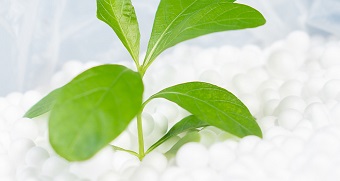
Expandable polystyrene (EPS) is entering a new phase in which recycled feedstocks, bio-based raw materials, advanced recycling technologies, and circular product design are beginning to reshape a material traditionally associated with fossil-based styrene. The transition matters because EPS remains highly valuable in thermal insulation, protective packaging, cold-chain logistics, construction, appliance transportation, and other applications where low weight and high cushioning or insulation performance are critical.
EPS itself is an exceptionally lightweight material: approximately 98% of its volume is air, meaning relatively little polymer is required to create rigid protective or insulating structures. The next challenge for the EPS industry is therefore not simply reducing material use, but lowering the fossil-carbon footprint of the polymer that remains. Bio-based and recycled EPS technologies are providing increasingly practical routes toward that objective.
Recycled EPS Is Moving from Waste Recovery to Circular Raw Material
EPS is a thermoplastic, which makes recovered material technically suitable for recycling. Mechanical recycling is particularly attractive for clean EPS streams. Collected material can be compacted, processed and reincorporated into new products, reducing demand for virgin polymer.
The scale of EPS recycling is already significant. EUMEPS reports that EPS post-consumer packaging recycling reaches approximately 40% in the European Union, while rates exceed 50% in Japan, China and South Korea. Norway has achieved a rate above 70%, demonstrating what becomes possible when collection and recycling infrastructure is well established. Therefore, EPS is not merely theoretically recyclable. It is already being collected and recycled at meaningful scale in multiple major economies.
Recycled Content Is Entering New Expandable Polystyrene Products
One of the most important developments is the direct incorporation of recycled EPS into new expandable polystyrene products. In 2025, BASF highlighted a construction pilot using Neopor F 5 Mcycled, a graphite-containing EPS raw material incorporating 10% mechanically recycled material. According to the company, installers working with the resulting insulation boards experienced no differences compared with conventional EPS products.
This is commercially important. Circular EPS cannot succeed solely by recovering waste; recycled polymer must return to technically demanding applications without creating unacceptable compromises in processing, insulation performance, dimensional stability or installation.
Mechanical recycling is particularly suitable for relatively clean EPS streams, including production scrap and selected construction waste. EUMEPS identifies mechanical recycling as the least energy-intensive recycling route and emphasizes separate collection as an important mechanism for maintaining material quality.
Bio-Based EPS Reduces Dependence on Fossil Feedstocks
Recycling addresses the end-of-life side of the EPS lifecycle. Bio-based EPS approaches tackle the feedstock side. Instead of manufacturing the polymer exclusively from fossil resources, biomass-balance production introduces renewable feedstocks into integrated chemical manufacturing systems. The renewable input is then attributed to specific products through certified mass-balance accounting.
BASF already applies this approach to expandable polystyrene. Its biomass-balanced Styropor and Neopor grades are designed to retain the same formulation and performance characteristics as their conventional fossil-based equivalents while replacing attributed fossil feedstocks with renewable alternatives.
The carbon impact can be substantial. BASF reports that its biomass-balanced Neopor insulation raw material can deliver a carbon-footprint reduction of up to 90% during the production phase compared with traditionally produced Neopor.
This approach is especially relevant for applications where manufacturers want to reduce product carbon footprints while retaining established EPS processing equipment and product specifications.
Chemical Recycling Expands the Feedstock Options for Circular EPS
Mechanical recycling is highly efficient when EPS waste is sufficiently clean, but not every post-consumer stream meets that requirement. This is where chemical recycling of polystyrene and mixed plastic waste could become increasingly important.
Chemical recycling technologies can convert suitable waste streams into hydrocarbon feedstocks that re-enter chemical production. BASF, for example, uses pyrolysis oil derived from chemically recycled plastic waste for its Styropor Ccycled product through a mass-balance approach.
The emerging EPS circularity model therefore does not depend on a single recycling technology. Clean production scraps and separately collected EPS can favor mechanical recycling, while more difficult waste streams may increasingly be addressed through physical or chemical recycling technologies.
European Packaging Regulation Is Accelerating Demand for Recycled Plastics
Regulation is adding another powerful driver. The EU's Packaging and Packaging Waste Regulation establishes minimum recycled-content requirements for plastic packaging. By 2030 – or three years after the relevant implementing act enters into force, if later – plastic packaging outside several specified categories is generally required to contain 35% recycled content recovered from post-consumer plastic waste. Contact-sensitive non-PET plastic packaging has a 10% requirement, subject to the regulation's detailed conditions and exemptions. The broader European recycling framework also targets 55% recycling of plastic packaging by 2030, compared with 50% by the end of 2025. These rules strengthen the economic case for better EPS collection, sorting, densification and recycling infrastructure.
The Future of Expandable Polystyrene Is a Multi-Feedstock Model
The next generation of expandable polystyrene is unlikely to be defined by one universal replacement for conventional EPS. Instead, the industry is moving toward a multi-feedstock circular model combining mechanically recycled EPS, chemically recycled plastic feedstocks and renewable biomass-balanced raw materials.
This evolution preserves the characteristics responsible for EPS's extensive use: extremely low weight, strong shock absorption, thermal insulation performance and efficient material consumption. At the same time, it addresses the two central sustainability challenges surrounding conventional plastics – dependence on virgin fossil resources and insufficient recovery after use.
Expandable polystyrene is therefore shifting from a linear fossil-based material toward a circular platform in which the same performance can increasingly be delivered with recycled and renewable carbon. The companies and markets that build efficient collection systems and secure reliable circular feedstocks will define the next chapter of the EPS industry.
Market Publishers boasts a rich collection of insightful research studies covering the chemicals and petrochemicals market, find it in the Chemicals & Petrochemicals Market Reports Catalogue.
CONTACTS
The Market Publishers, Ltd.
Natalie Aster
Tel: +357 96 030 922
[email protected]
MarketPublishers.com
Analytics & News