Xylitol: A Natural Sugar Substitute for Modern Consumers
12 Jun 2026 • by Natalie Aster
Sugar reduction has moved from a specialist dietary concern to a mainstream purchasing priority. Consumers now examine ingredient labels for sweeteners that deliver a familiar taste without the calorie load, sharp blood-sugar response, or dental drawbacks associated with ordinary sugar. Xylitol, a naturally occurring sugar alcohol, meets many of these expectations while remaining practical for food, beverage, pharmaceutical, and oral-care formulations.
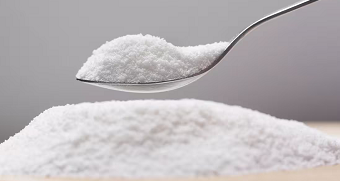
Found in small quantities in fruits and vegetables, xylitol is commercially produced from plant-based materials containing xylan. Its white crystalline appearance and sweetness closely resemble table sugar, allowing it to replace sucrose in many products without introducing the intense aftertaste associated with some high-intensity sweeteners.
A Low-Calorie Alternative to Sugar
Xylitol belongs to a group of carbohydrates known as polyols or sugar alcohols. Its principal advantage is straightforward: xylitol provides approximately 2.4 calories per gram, compared with 4 calories per gram for sugar. This represents about 40% fewer calories while maintaining a sweetness level close to sucrose.
Unlike sucrose, xylitol produces a much smaller effect on blood glucose and insulin. Its reported glycemic index is approximately 7, compared with about 60 for ordinary sugar. This does not make every xylitol-containing product automatically healthy, but it gives manufacturers and consumers another tool for reducing rapidly absorbed sugars.
Why Xylitol Is Becoming a Mainstream Sweetener
The soaring demand for sugar-free confectionery, functional foods, reduced-sugar bakery products, and oral-care solutions is expanding xylitol’s commercial role. The world’s xylitol market was valued at appr. USD 1.11 billion in the year 2025 and is slated to reach USD 1.43 billion by 2030, expanding at a CAGR of 5.11%.
Demand extends well beyond tabletop sweeteners. Xylitol is increasingly found in chewing gum, mints, candies, baked products, toothpaste, mouthwash, cough syrups, chewable vitamins, cosmetics, and selected pharmaceutical formulations.
Xylitol Benefits for Oral and Dental Health
Ordinary sugar can be metabolized by oral bacteria, contributing to acid production and tooth demineralization. Xylitol is not used by these bacteria in the same way, which is why it has become a prominent ingredient in sugar-free gum and dental-care products.
The FDA states that sugar alcohols do not promote tooth decay. Recent research also indicates that low-intensity sweeteners can reduce levels of cariogenic bacteria in dental plaque and saliva. However, reviews of xylitol-specific cavity prevention have produced mixed conclusions, partly because studies use different products, doses, treatment periods, and participant groups.
Xylitol should therefore be viewed as a useful component of a tooth-conscious diet – not a replacement for fluoride toothpaste, daily brushing, flossing, or professional dental care.
Xylitol as a Sugar Substitute in Food and Everyday Products
Granulated xylitol can often replace sugar at a one-to-one ratio by volume, rendering it convenient for beverages, sauces, desserts, and selected baked goods. It also produces a mild cooling sensation as it dissolves, a characteristic that works especially well in mint-flavored gum and confectionery. Xylitol does not behave exactly like sucrose in every recipe. It does not caramelize in the same manner, and it cannot reliably feed traditional baker’s yeast. Product developers may therefore need to adjust texture, moisture, browning, or fermentation processes rather than treating it as a universal direct substitute.
The Growing Role of Xylitol in Modern Food Formulation
Xylitol occupies a valuable position between conventional sugar and intensely sweet, low-dose alternatives. It offers sugar-like sweetness, fewer calories, a low glycemic response, formulation versatility, and compatibility with tooth-friendly products.
Its greatest value is not as permission to consume unlimited sweet foods. Instead, xylitol supports a broader transition toward lower-sugar formulations that preserve taste, convenience, and consumer familiarity. As shoppers continue seeking recognizable plant-derived ingredients and practical alternatives to added sugar, xylitol is likely to remain an important part of the modern sweetener market.
Related Reports:
- XYLITOL (CAS 16277-71-7) Market Research Report 2026
- Xylitol (CAS 87-99-0) Market Research Report 2026
- Xylitol Market Research Report 2026
- Global Market Report of Xylitol (CAS 87-99-0)
- Xylitol - A Global Market Overview
- Global Xylitol Market 2026 by Manufacturers, Regions, Type and Application, Forecast to 2032
At Market Publishers you’ll find a rich collection of insightful research studies featuring various markets. Simply use the search form to find the report you need.
CONTACTS
The Market Publishers, Ltd.
Natalie Aster
Tel: +357 96 030 922
[email protected]
MarketPublishers.com
Analytics & News