Sodium Percarbonate: The Growing Importance in Green Cleaning Solutions
15 May 2026 • by Natalie Aster
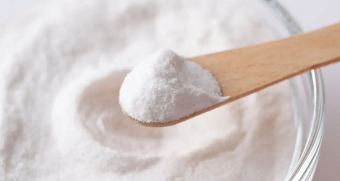
Sodium percarbonate has moved from a niche laundry booster to a core ingredient in modern green cleaning formulations. As consumers, institutions, and industrial buyers demand products that clean effectively without chlorine, harsh residues, or persistent environmental burden, sodium percarbonate is becoming one of the most practical answers in the oxygen-based cleaning category.
Chemically, sodium percarbonate is a solid compound that releases hydrogen peroxide and sodium carbonate when dissolved in water. This simple reaction gives formulators two powerful cleaning mechanisms in one ingredient: oxygen-based stain oxidation and alkaline soil removal. The result is a cleaner that can lift organic stains, brighten fabrics, deodorize surfaces, and support low-toxicity cleaning claims without relying on chlorine bleach.
Why Sodium Percarbonate Fits the Green Cleaning Movement
The rise of sodium percarbonate is closely tied to the expansion of eco-friendly cleaning products. The global green cleaning products market was valued at around USD 37.56 billion in 2024 and is projected to reach USD 158.26 billion by 2034, growing at an estimated 14.1% CAGR. This growth reflects a clear shift: buyers are no longer satisfied with products that only “smell clean.” They want safer chemistry, transparent labels, biodegradable performance, and reduced indoor air impact.
Sodium percarbonate supports these expectations because it breaks down into oxygen, water, and soda ash under typical use conditions. Unlike chlorine bleach, it does not create the same sharp odor profile or chlorinated residues. For households, hospitality businesses, healthcare-adjacent cleaning teams, and food-contact-area maintenance, that distinction matters.
How Sodium Percarbonate Works in Cleaning Products
When sodium percarbonate dissolves in water, it releases hydrogen peroxide, which oxidizes colored stain molecules from coffee, tea, wine, grass, sweat, and food residues. At the same time, sodium carbonate raises alkalinity, helping break down grease, loosen dirt, and improve detergent performance.
This dual action explains why sodium percarbonate appears in laundry powders, oxygen bleach products, dishwasher additives, carpet cleaners, tile cleaners, deck cleaners, and multipurpose powder concentrates. It is especially useful in dry-format products because it delivers peroxide cleaning power without the stability challenges of liquid hydrogen peroxide.
Advantages Over Chlorine Bleach
Chlorine bleach remains powerful, but its limitations are pushing many consumers and manufacturers toward oxygen-based alternatives. Sodium percarbonate offers stain removal and whitening performance without the aggressive chlorine odor, fabric damage risk, and compatibility concerns associated with conventional bleach.
It is also easier to position in environmentally conscious product lines. Modern buyers read labels, compare certifications, and look for cleaning products that align with safer-use expectations. The U.S. EPA’s Safer Choice program, for example, helps consumers identify products that meet safer chemical criteria, showing how ingredient-level scrutiny has become part of mainstream cleaning decisions.
Key Applications in Green Cleaning
In laundry care, sodium percarbonate is valued for brightening whites, removing organic stains, and refreshing fabrics without optical-heavy claims. In household cleaning, it is used for grout, cutting boards, bins, sinks, drains, and washable hard surfaces. In institutional cleaning, it supports powder-based products that reduce plastic packaging and transport water weight.
Its role is also growing in concentrated cleaning formats. Powder tablets, refill systems, and low-water formulations are gaining attention because they reduce packaging and shipping emissions. Sodium percarbonate fits naturally into this trend because it is dry, stable when properly coated or protected from moisture, and activated only when water is added.
Performance, Safety & Formulation Considerations
Sodium percarbonate is effective, but it must be formulated intelligently. Moisture control is essential because premature exposure to water can reduce oxygen release before use. Coated grades help improve shelf life, especially in detergent blends. Builders, surfactants, enzymes, chelating agents, and pH buffers can further enhance cleaning performance.
Consumers should also understand that “green” does not mean careless handling. Concentrated sodium percarbonate powders should be kept dry, stored away from incompatible materials, and used according to product directions. For brands, clear labeling is not only a compliance requirement; it is part of building trust in the green cleaning category.
Future Outlook: Oxygen-Based Cleaning Becomes Mainstream
The future of sodium percarbonate is tied to three powerful trends: chlorine-free stain removal, concentrated cleaning formats, and demand for safer household chemistry. As green cleaning moves from premium niche to mass-market expectation, ingredients must prove both environmental credibility and real-world performance. Sodium percarbonate does both.
For manufacturers, it offers a strong platform for laundry boosters, oxygen bleach powders, dishwasher products, bathroom cleaners, and refillable cleaning systems. For consumers, it provides visible cleaning results without the harsh profile of traditional bleach. For the broader cleaning industry, it represents a practical bridge between sustainability claims and measurable cleaning power.
Sodium percarbonate is no longer just an “eco alternative.” It is becoming a strategic ingredient in the next generation of green cleaning solutions: effective, versatile, oxygen-powered, and aligned with the market’s shift toward safer, lower-impact cleaning chemistry.
Related Reports:
- Sodium percarbonate (CAS 15630A89A4) Market Research Report 2026
- Sodium percarbonate (CAS 3313-92-6) Market Research Report 2026
- Sodium Percarbonate (CAS 4452-58-8) Market Research Report 2026
- Sodium percarbonate Market Research Report 2026
Market Publishers boasts a rich collection of insightful research studies covering the chemicals and petrochemicals market, find it in the Chemicals & Petrochemicals Market Reports Catalogue.
CONTACTS
The Market Publishers, Ltd.
Natalie Aster
Tel: +357 96 030 922
[email protected]
MarketPublishers.com
Analytics & News