Dilauryl Thiodipropionate: A Key Antioxidant for Plastics & Rubber Manufacturing
24 Oct 2025 • by Natalie Aster
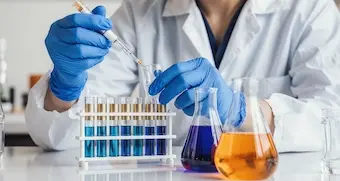
In the world of modern polymer technology, the durability of plastics and rubber depends on their ability to resist heat, oxygen, and environmental stress. Without protection, these materials deteriorate quickly, losing flexibility, strength, and reliability. To solve this, antioxidants are introduced during manufacturing, and among them, Dilauryl Thiodipropionate (DLTDP) has earned recognition as one of the most effective stabilizers. Its role is particularly vital in industries where long service life and consistent performance are essential, such as automotive, packaging, and construction.
The Function of DLTDP in Polymers
Plastics and elastomers are highly vulnerable to oxidative degradation, especially when exposed to high temperatures during processing or long-term use. DLTDP, a secondary thioester antioxidant, acts by decomposing hydroperoxides that form as a result of polymer oxidation. This action slows down the chain reactions that cause cracking, brittleness, and discoloration.
What makes DLTDP especially valuable is its compatibility with primary antioxidants like hindered phenols. When used together, they create a synergistic system: primary antioxidants neutralize free radicals while DLTDP eliminates hydroperoxides. This combination ensures not only stability during manufacturing but also protection throughout the product’s lifespan.
Industrial Applications
The use of DLTDP is not limited to a single type of polymer. In polyolefins such as polyethylene and polypropylene, it safeguards the material during extrusion and molding, preventing premature degradation. Elastomers including EPDM, styrene-butadiene rubber, and natural rubber also benefit from its stabilizing properties, ensuring flexibility and preventing cracks during long service life. In PVC and engineering plastics, it is often paired with phosphites or phenolic antioxidants to achieve greater resistance against heat and oxygen. Adhesive and sealant formulations, especially those used in automotive and construction sectors, rely on DLTDP for improved longevity and resilience under stress.
Market Perspective & Growth
Demand for antioxidants has grown steadily as industries adopt advanced plastics and rubber for critical applications. The global polymer antioxidant market, valued at USD 2.8 billion in 2023, is projected to surpass USD 4.1 billion by 2030, reflecting a compound annual growth rate of more than 5%. This expansion is driven by the increasing use of lightweight materials in the automotive sector, the growth of sustainable packaging solutions, and the continuous demand for durable consumer products.
Within this market, DLTDP continues to hold a strong position. Its efficiency, cost-effectiveness, and approval for use in certain food-contact applications make it a preferred choice for manufacturers balancing performance with regulatory compliance.
Regional Trends
Asia-Pacific currently leads in consumption, accounting for more than 40% of global demand. Rapid industrialization in China, India, and Southeast Asia fuels the need for reliable stabilizers to support plastic production in packaging, electronics, and automotive components. In Europe and North America, environmental regulations and sustainability initiatives have also spurred greater reliance on stabilizers like DLTDP, which enable polymers to last longer and improve recyclability.
Looking Ahead
The importance of DLTDP will only increase as industries place more emphasis on sustainability, recyclability, and high-performance materials. Researchers are actively exploring bio-based alternatives and greener production methods to make thioester antioxidants more environmentally friendly. Emerging applications in electric vehicles, medical polymers, and next-generation communication infrastructure are also expected to boost demand.
The future of plastics and rubber lies in materials that can withstand harsher conditions for longer periods while maintaining performance. DLTDP, with its proven effectiveness, is poised to remain a cornerstone in the field of polymer stabilization.
Concluding Thoughts
Dilauryl Thiodipropionate (DLTDP) is not just another additive but a critical enabler of polymer performance. By providing long-lasting thermal and oxidative stability, it ensures that plastics and rubber meet the rigorous demands of today’s industries. As manufacturers push toward sustainable solutions and high-performance applications, the role of DLTDP will continue to expand, reinforcing its position as a key antioxidant in modern materials science.
Related Reports:
- Dilauryl thiodipropionate (CAS 123-28-4) Market Research Report 2025
- Didodecyl thiodipropionate (CAS 123-28-4) Market Research Report 2025
- Global Dilauryl Thiodipropionate (AO DLTDP) Market 2025 by Manufacturers, Regions, Type and Application, Forecast to 2031
- Dilauryl Thiodipropionate Global Market Insights 2025, Analysis and Forecast to 2030, by Manufacturers, Regions, Technology, Application
- Dilaurly Thiodipropionate (DLTDP) Global Market Insights 2025, Analysis and Forecast to 2030, by Manufacturers, Regions, Technology, Application
Market Publishers boasts a rich collection of insightful research studies covering the chemicals and petrochemicals market, find it in the Chemicals & Petrochemicals Market Reports Catalogue.
CONTACTS
The Market Publishers, Ltd.
Natalie Aster
Tel: +357 96 030 922
[email protected]
MarketPublishers.com
Analytics & News