Agricultural Leaders: Top 5 Lime-Producing Countries
11 Sep 2025 • by Natalie Aster
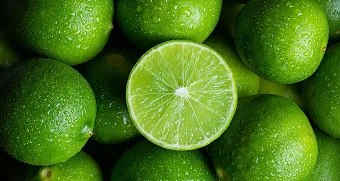
Limes are more than a garnish for cocktails or a squeeze of flavor in a meal. They are a global commodity, shaping agricultural economies, driving exports, and connecting farmers to international markets. In 2023, global lime and lemon production reached nearly 35 billion kilograms, and the demand curve continues to rise. While dozens of countries cultivate limes, a handful dominate the landscape. India, Mexico, China, Argentina, and Brazil together account for a substantial share of the world’s supply, each with its own story of growth, challenges, and opportunity.
India: The Undisputed Leader
India has emerged as the world’s largest producer of fresh limes, harvesting close to 3.8 million metric tons in 2023. This figure represents about 16 percent of global production. The country’s vast agricultural base, favorable climate, and deep cultural integration of limes into daily diets have propelled its dominance. Unlike Mexico, whose lime industry thrives on exports, India’s production is largely consumed domestically. From street food stalls to traditional medicine, limes are woven into daily life, creating steady internal demand that stabilizes the industry.
Yet India’s lime farmers face challenges. Post-harvest losses remain high due to limited cold storage and logistics infrastructure, while climate variability, including heatwaves and erratic monsoons, threatens yields. Still, ongoing investment in horticultural practices and better supply chains signals that India’s leadership is unlikely to waver.
Mexico: Export Powerhouse
If India leads in production, Mexico leads in influence. Producing about 3.2 million metric tons, Mexico remains the beating heart of the global lime trade, supplying much of North America and Europe. Its Persian and Key limes dominate supermarket shelves in the United States, where seasonality and price swings often reflect the realities of Mexican harvests.
The country’s lime industry is highly export-oriented, making it more vulnerable to climate disruptions and pest outbreaks. When drought or disease reduces supply, global prices spike dramatically. In 2023, for instance, U.S. retail prices soared as Mexico’s output dipped during a difficult growing season. Yet the resilience of Mexican farmers, combined with the country’s proximity to lucrative markets, ensures that Mexico will remain a pivotal player for years to come.
China: Expanding Domestic Demand
China’s lime industry has grown steadily, now producing between 2.4 and 2.6 million metric tons annually. Much of this growth is fueled by a rising middle class, with consumers increasingly turning to fresh citrus as part of a health-focused diet. Unlike Mexico or Brazil, China exports relatively little of its lime production. Instead, it channels its harvest toward internal consumption and processing for juices and flavoring.
The country’s vast agricultural capacity provides both opportunities and risks. On one hand, diversification into citrus helps balance its massive food system. On the other, lime growers must contend with volatile weather patterns and shifting market demand. Still, China’s scale and rising appetite for fresh fruit mean its role in lime production is likely to keep expanding.
Argentina: Strength in the Southern Cone
Argentina’s citrus belt, particularly in Tucumán province, has become a powerhouse of lime and lemon cultivation. Producing around two million metric tons, Argentina is one of the Southern Hemisphere’s leading suppliers. Its climate (hot summers with abundant sunshine and moderate winters) provides ideal conditions for lime cultivation.
Argentina’s focus, however, is not only on fresh exports but also on processing. Citrus oils, concentrates, and flavorings form a critical part of its agricultural economy. Exchange rate volatility and logistical costs can weigh heavily on its exporters, but Argentina’s established role in supplying both fresh and processed lime products has secured its place among the global leaders.
Brazil: Tahiti Lime Specialist
Brazil rounds out the top five with production hovering near 1.7 million metric tons. Unlike India or China, where multiple lime varieties flourish, Brazil is almost entirely focused on the Persian, or Tahiti, lime – accounting for nearly 97 percent of its output. This specialization allows the country to maintain consistent supply throughout the year, smoothing seasonal fluctuations that impact other producers.
Brazil’s lime industry benefits from its broader citrus infrastructure, long built around oranges. However, growers face challenges from pests and diseases, as well as the unpredictable impacts of climate change. Even so, Brazil remains a vital supplier, particularly within South America and in export markets seeking the Persian variety.
Structure of the global lime production by countries

Global Trends Shaping Lime Production
What unites these five leaders is not just their scale but their ability to adapt to shifting markets. Climate variability, pest and disease outbreaks, and the rising cost of logistics threaten even the largest producers. Yet the steady rise in global consumption, driven by culinary trends, health consciousness, and demand for natural flavoring, ensures that the lime remains a growth crop.
Interestingly, while India holds the crown in sheer volume, Mexico often sets the tone for global prices due to its export orientation. Brazil’s varietal focus offers lessons in specialization, while Argentina demonstrates the value of integrating fresh and processed markets. China, with its massive domestic appetite, underscores how internal demand can reshape global supply dynamics.
The Road Ahead
The lime market is on a trajectory of steady, if modest, growth. Producers that can invest in quality, sustainability, and efficient logistics will hold the strongest positions. From water-saving irrigation in India to pest-resistant varieties in Brazil, innovation will determine future winners. As demand rises, especially in regions outside traditional citrus markets, these top five countries are set to remain the agricultural leaders of lime production – feeding both global trade and local traditions.
Related Reports:
- Global Lime Juice Market 2025 by Manufacturers, Regions, Type and Application, Forecast to 2031
- Global Lime Juice Market Research Report 2025(Status and Outlook)
- Global Distilled Lime Oil Market Research Report 2025(Status and Outlook)
- Citrus Fiber Market Size, Share, and Outlook, 2025 Report- By Type (Pharmaceutical Grade, Food Grade), Source (Lemon and Lime, Orange, Grapes, Others), Function (Emulsifier and Stabilizers, Fat Reducer, Natural Cloudifier, Water Binder, Others), Application (Bakery and Deserts, Dressing, Sauces and Fillings, Dairy Product (Frozen Food, Pet Food, Nutraceuticals, Others), Distribution Channel (Direct, Indirect), and Companies, 2021-2032
- Citrus Wine Market Size, Share, and Outlook, 2025 Report- By Fruit (Orange, Grapefruit, Lemon, Lime, Others), Application (Commercial, Residential), Distribution Channel (Online, Offline), and Companies, 2021-2032
Find many other topical research reports using our search form.
CONTACTS
The Market Publishers, Ltd.
Natalie Aster
Tel: +357 96 030 922
[email protected]
MarketPublishers.com
Analytics & News