Thioacetamide: A Versatile Sulfur-Containing Compound in Chemistry
12 Mar 2025 • by Natalie Aster
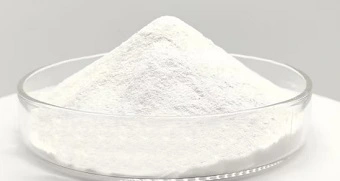
Thioacetamide stands as a pivotal sulfur-containing compound renowned for its versatility and utility in various chemical reactions and applications. This crystalline solid, characterized by its ease of use and functional adaptability, serves as a cornerstone in synthetic chemistry, environmental studies, and material science.
Synthesis and Chemical Properties of Thioacetamide
Thioacetamide is synthesized through the reaction of acetamide with phosphorus pentasulfide. This process highlights its foundational role in sulfur chemistry. The compound is particularly noted for its ability to generate hydrogen sulfide upon hydrolysis, making it an invaluable reagent in synthesizing sulfur-containing compounds without the direct handling of hydrogen sulfide gas, which is toxic and volatile.
Environmental Impact and Safety Considerations
While thioacetamide is a valuable chemical tool, its use must be approached with caution due to its potential health hazards. It is imperative to understand and mitigate the risks associated with its use, particularly its toxicity and the generation of hydrogen sulfide. Adhering to strict safety protocols and regulations is crucial in minimizing environmental and health impacts.
Application in Organic Synthesis
Thioacetamide excels as a sulfur source in organic synthesis. Its utility in the thiocarboxylation of organic compounds is unparalleled. This application is crucial in constructing carbon-sulfur bonds, which are fundamental components of many pharmaceuticals and agrochemicals. The efficiency of thioacetamide in facilitating such reactions under mild conditions is a testament to its chemical versatility and indispensability in organic laboratories.
Role in Analytical Chemistry
In analytical chemistry, thioacetamide serves as a sensitive and selective reagent for the detection of heavy metals and other ions. The method involves the formation of insoluble or colored precipitates upon reaction with metal ions, which can be quantified by various spectroscopic techniques. This reagent's precision in detecting trace amounts of metals in environmental samples underscores its critical role in pollution monitoring and control.
Thioacetamide in Material Science
The utility of thioacetamide extends into the realm of material science, particularly in the synthesis of metal sulfides. These compounds are essential for the production of semiconductors, photovoltaic cells, and catalysts. Thioacetamide is favored for its ability to supply sulfur in a controlled manner, facilitating the growth of nanostructured materials with desirable properties for advanced technological applications.
Future Prospects and Innovations
The future of thioacetamide in chemistry appears promising, with ongoing research exploring its broader applications in synthetic and applied chemistry. Innovations in its use and new methodologies that reduce its health risks are likely to enhance its utility further. The development of safer, more environmentally friendly derivatives of thioacetamide could revolutionize its applications, making it a more versatile and indispensable reagent in the chemical industry.
Concluding Thoughts
Thioacetamide is a multifaceted compound whose applications span from organic synthesis to environmental science. Its ability to function under mild conditions, coupled with its efficiency and selectivity, makes it an indispensable tool in the chemist’s arsenal. As research continues to unfold, thioacetamide is set to remain a key player in the advancement of chemical sciences, driving innovations and solutions across various fields.
Related Reports:
- Thioacetamide Market Research Report 2025
- Global Thioacetamide Market 2025 by Manufacturers, Regions, Type and Application, Forecast to 2031
- Global Thioacetamide Market Growth 2025-2031
- Thioacetamide Market Forecast (2025-2032): Industry Size, Market Share Data, Business Insights, Latest Trends, Opportunities, Competitive Analysis and Demand Outlook Report
Market Publishers boasts a rich collection of insightful research studies covering the chemicals and petrochemicals market, find it in the Chemicals & Petrochemicals Market Reports Catalogue.
CONTACTS
The Market Publishers, Ltd.
Natalie Aster
Tel: +357 96 030922
[email protected]
MarketPublishers.com
Analytics & News