Pyrophyllite: A Versatile Mineral for Industrial & Commercial Uses
05 Mar 2025 • by Natalie Aster
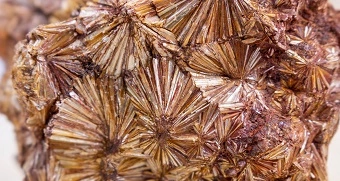
Pyrophyllite is a naturally occurring phyllosilicate mineral with a unique composition that makes it indispensable across various industries. Composed primarily of aluminum silicate hydroxide, pyrophyllite features in everything from ceramics to paints and from pharmaceuticals to rubber additives.
Pyrophyllite in Ceramics
One of the primary uses of pyrophyllite is in the ceramics industry. Its high alumina content and low iron impurity make it an ideal ingredient for refractory products, porcelain, and dinnerware. The mineral’s thermal stability and resistance to thermal shock contribute considerably to improving the integrity and longevity of ceramic items. Pyrophyllite's inclusion in ceramic formulations allows for a smoother surface finish and enhanced moldability, which is critical in creating intricate designs and fine details.
Role in Refractory Applications
In refractory applications, pyrophyllite excels due to its excellent insulating properties and resistance to high temperatures. It is commonly used in the manufacture of refractory bricks and monolithic refractories. These are crucial for high-temperature processes in sectors such as metallurgy and glass production. The mineral’s ability to withstand corrosive environments also makes it invaluable in furnace linings and kiln furniture.
Pyrophyllite in Paint and Coatings
Pyrophyllite serves as an extender and filler in paint formulations, boosting the paint’s properties while reducing costs. Its low hardness helps in providing a paint that is easy to apply and smooth in texture. Additionally, pyrophyllite's inertness means it does not react with the other chemical components of paint, thereby stabilizing the formulation.
Utility in Rubber and Plastics
As an additive in rubber and plastics, pyrophyllite improves the performance of the final products by enhancing their mechanical strength and stability. It acts as a filler that can replace more expensive materials without compromising the quality or durability of the product. This capability is particularly valuable in the automotive and construction industries, where materials are required to meet strict performance criteria.
Pharmaceutical and Cosmetic Applications
In the pharmaceutical sector, pyrophyllite is utilized as an inert filler in tablets and for its properties as a lubricant in formulations. The mineral’s fine particle size and smooth texture make it suitable for cosmetic applications as well, such as in powders and foundations, where it contributes to a silky finish without clogging pores.
Environmental and Health Safety
An essential aspect of pyrophyllite that enhances its market value is its non-toxic nature. The mineral is environmentally benign, which renders it a preferable choice in industries aiming to diminish their environmental footprint. Moreover, pyrophyllite does not pose health risks to workers handling the material, which aligns with increasing regulations focusing on occupational health and safety.
Concluding Thoughts
Pyrophyllite’s versatility and beneficial properties make it a critical component in diverse industrial and commercial applications. From enhancing the quality and functionality of ceramics to boosting the efficiency of high-temperature processes, and contributing to safer and more sustainable product formulations, pyrophyllite is a mineral that holds substantial value. As industries continue to seek cost-effective yet high-performance materials, pyrophyllite’s importance is likely to grow, reinforcing its position as a key material in the global industrial landscape.
Related Reports:
- Pyrophyllite Market Research Report 2025
- Global Pyrophyllite Market Research Report 2025(Status and Outlook)
- Pyrophyllite Market – Global Industry Size, Share, Trends, Opportunity, & Forecast, Segmented By Application (Ceramics, Refractories & Foundries, Fillers, Others), By Region & Competition, 2020-2030F
- Pyrophyllite Market Size, Share & Trends Analysis Report By Application (Ceramics, Refractories And Foundries, Fillers), By Region (North America, Central & South America, Asia Pacific, Europe), And Segment Forecasts, 2025 - 2030
- Global Pyrophyllite Market Analysis and Forecast 2024-2030
Market Publishers boasts a rich collection of insightful research studies covering the chemicals and petrochemicals market, find it in the Chemicals & Petrochemicals Market Reports Catalogue.
CONTACTS
The Market Publishers, Ltd.
Natalie Aster
Tel: +357 96 030922
[email protected]
MarketPublishers.com
Analytics & News