Agricultural Leaders: World’s Largest Coconut-Producing Countries
03 Feb 2025 • by Natalie Aster
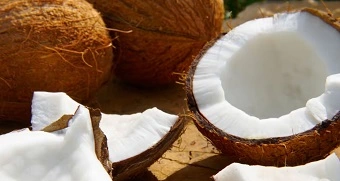
Coconuts are an integral part of the agricultural economy in many tropical regions, serving as a vital source of nutrition, employment, and raw materials for various industries. The versatile coconut is used in an array of sectors, including beverages, food, cosmetics, and industrial applications. Countries in tropical zones with fertile soils have established themselves as the world’s leaders in coconut harvesting, playing an essential role in keeping up with the elevating demand for coconut products around the world.
5. Sri Lanka – A Small but Significant Producer
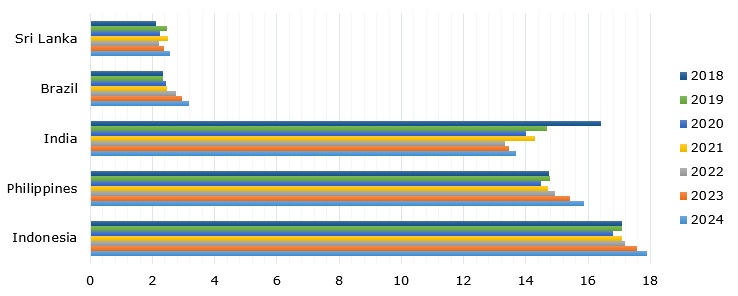
Sri Lanka, though smaller in production scale compared to its Asian counterparts, remains an important player in the global coconut arena, harvesting some 2.5 million metric tons annually. The island nation is widely recognized for its high-quality coconuts and value-added products, comprising coconut fiber, desiccated coconut, and organic virgin coconut oil.
The primary coconut-cultivating regions in Sri Lanka include the Coconut Triangle, consisting of the districts of Puttalam, Gampaha, Kurunegala, and the Southern and Eastern provinces. Coconut farming in the country is characterized by a blend of traditional and modern agricultural techniques, ensuring high productivity and sustainability.
Coconut cultivation is vital for the national economy, employing thousands of farmers and workers. The government has rolled out guidelines to support the sector, including research initiatives, subsidies, and export promotion efforts aimed at enhancing the country's competitiveness in the international arena.
4. Brazil – Leading Coconut Producer in the Americas
Brazil is the dominant coconut producer in the Americas, with an annual output of around 3 million metric tons. The tropical climate and vast farming area render the country a perfect location for the cultivation of coconuts. Main coconut-cultivating states include Bahia, Pernambuco, and Ceará, where favorable conditions allow for year-round cultivation.
The Brazilian coconut industry has experienced a notable upturn in recent years, fueled by the mounting demand for coconut water worldwide. Brazil is one of the world's dominant suppliers of fresh coconut water, which has garnered widespread appeal as a natural and healthy beverage option. In addition to coconut water, the country produces desiccated coconut, coconut oil, and various coconut-based cosmetic and health products.
Government initiatives aimed at fostering sustainable farming approaches along with substantial investments in modern processing facilities have further strengthened Brazil’s coconut sector. The country's strategic location and strong export infrastructure allow Brazilian coconut products to reach markets in North America, Europe, and beyond.
3. India – A Hub of Coconut Diversity
India comes in third position in the world in terms of coconut output, generating yearly approximately 12 million metric tons. Coconut farming is deeply intertwined with India's agricultural landscape, particularly in states such as Andhra Pradesh, Karnataka, Tamil Nadu, and Kerala. Coconut cultivation in these regions goes back a long way, with farmers today applying traditional and up-to-date farming practices to ensure high yields and quality.
The coconut industry contributes considerably to the national economy, supporting millions of people engaged in cultivation, processing, and trade. The country is a prominent producer of coconut coir products, oil, and various edible coconut-based items. A significant portion of India's coconut production is consumed domestically, with coconuts featuring prominently in national cuisine, religious ceremonies, and health practices.
The Indian government has introduced certain measures to boost coconut production, including financial support for farmers, the promotion of high-yielding hybrid varieties, and efforts to expand export markets. With the soaring appetite for coconut-based products around the globe, India continues to reinforce its influence as a powerful contributor to the international coconut market.
2. Philippines – The Coconut Capital of the World
The Philippines is the world’s second-biggest producer of coconuts, with an estimated annual yield of about 14 million metric tons. The cultivation of coconuts is crucial for the country's economy, with millions of farmers and workers dependent on the industry for their livelihoods. The coconut industry is deeply rooted in Philippine culture and agriculture, with the tree also called the "tree of life" owing to its numerous uses and economic significance.
Main coconuts-cultivating regions in the Philippines include the Bicol, Eastern Visayas, Davao, and the Zamboanga Peninsula. These areas benefit from ideal climatic conditions, fertile soil, and well-established farming traditions. The country's lengthy shoreline contributes to export efficiency, allowing Philippine coconut products to hit international markets with ease.
The Philippines is renowned for high-quality coconut oil, which is one of the country's foremost agricultural exports. Additionally, the nation supplies the world’s market with coconut milk, flour, sugar, and other value-added products. In recent years, the surging popularity of coconut-based products has spurred increased investment in the industry, driving innovation and expansion.
1. Indonesia – The Global Coconut Giant
Indonesia leads the world in coconut production, with an annual output of over 18 million metric tons. The country's geographic diversity, featuring thousands of islands with tropical climates, provides perfect conditions for coconut farming. Regions such as North Sulawesi, Riau, East Java, and Sumatra are known for their extensive coconut plantations, where generations of farmers have perfected cultivation techniques to boost yield and quality.
The success of Indonesia's coconut industry can be attributed to such factors as the availability of vast cultivable land, favorable weather conditions, and strong government support. The country’s government has implemented policies to encourage coconut farming, including financial incentives, research initiatives, and infrastructure development to facilitate transportation and export logistics.
Indonesia is a major exporter of coconut-derived products (virgin coconut oil (VCO), copra (dried coconut kernel), coconut water, and desiccated coconut). The global market shows strong demand for these products, particularly in the food and cosmetic industries, where they are valued for their natural properties and health benefits. With continuous innovations in farming techniques and processing methods, Indonesia is poised to maintain its position as the top coconut producer in the years to come.
Coconut production volume in 5 leading countries during 2018-2022, in million metric tons
Conclusion
The top five coconut-producing countries play an important role in the global coconut industry, propelling economic momentum, contributing to employment, and promoting sustainable agriculture. With booming demand for coconut products around the globe, these countries are expected to continue expanding their production and export capabilities, ensuring a steady supply of high-quality coconuts to markets worldwide. As technological advancements and sustainability initiatives take center stage, the horizon of the coconut industry looks optimistic and promising.
CONTACTS
The Market Publishers, Ltd.
Natalie Aster
Tel: +357 96 030922
[email protected]
MarketPublishers.com
Analytics & News