Polyethylene Terephthalate: Key Trends Shaping the Market Dynamics
10 Sep 2026 • by Natalie Aster
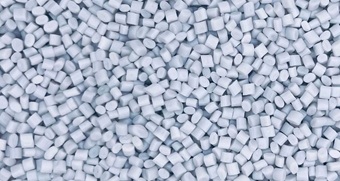
The polyethylene terephthalate (PET) market is entering a period in which capacity growth, feedstock volatility and circular-economy regulation are pulling the industry in different directions. Demand from beverage bottles, food packaging, polyester applications and consumer goods remains substantial, but aggressive Asian capacity expansion has altered the global supply balance. At the same time, mandatory recycled-content requirements are creating a distinct market for high-quality recycled PET (rPET).
China’s PET Capacity Expansion Intensifies Oversupply
China remains the most important force reshaping global PET supply. By late 2025, Chinese bottle-grade PET capacity had doubled within three years to approximately 22 million tonnes per year. The expansion has outpaced domestic demand growth, increasing competition between producers and placing persistent pressure on operating margins.
The imbalance extends upstream. China’s purified terephthalic acid (PTA) capacity reached approximately 92 million tonnes, creating oversupply across several interconnected parts of the polyester value chain. Chinese authorities began examining excessive competition in PTA and bottle-grade PET in 2025 as profitability deteriorated.
For international buyers, however, additional Chinese production creates a larger pool of competitively priced export material and increases pressure on PET producers in other regions.
PX, PTA & MEG Volatility Drives PET Prices
PET economics remain closely tied to paraxylene (PX), PTA and monoethylene glycol (MEG). Changes in crude oil, aromatics markets, refinery economics and plant operating rates therefore move rapidly through the PET cost chain.
This volatility was clearly visible in the first half of 2026. Chinese PET prices climbed to around USD 1,324 per tonne in May as feedstock and supply concerns strengthened the market, before retreating to approximately USD 1,178 per tonne in June as crude and raw-material pressures eased.
The sharp reversal demonstrated how quickly PET margins and purchasing strategies can change even when underlying packaging demand remains relatively stable.
Bottle-Grade PET Demand Remains the Market Anchor
Beverage packaging continues to provide a massive demand base for virgin PET because the polymer combines transparency, low weight, mechanical strength and established food-contact applications.
However, mature markets are increasingly shifting from a simple virgin-resin demand model toward a virgin PET–rPET blend. This makes collection systems, bottle-to-bottle recycling capacity and food-grade recyclate availability increasingly important to PET market economics.
Recycled PET Becomes a Regulatory Requirement
Europe provides the clearest example of this transformation. From 2025, PET beverage bottles covered by the EU Single-Use Plastics Directive must contain an average of at least 25% recycled plastic. The requirement increases to 30% for single-use plastic beverage bottles from 2030.
The EU’s new Packaging and Packaging Waste Regulation adds another layer of long-term demand for recycled polymers. The regulation began applying in August 2026 and establishes minimum recycled-content requirements for plastic packaging from 2030.
These policies are effectively creating two interconnected PET markets: competitively priced virgin resin and increasingly strategic food-grade recycled PET.
PET Market Outlook: Supply Discipline Becomes Critical
The near-term PET market outlook is defined less by a shortage of resin than by managing excess capacity. Chinese expansion is increasing export competition, while feedstock volatility continues to create abrupt price movements.
At the same time, recycling requirements are changing where value sits within the industry. Virgin PET producers face pressure from excess Asian capacity, whereas reliable supplies of high-quality rPET are becoming strategically important.
The result is a PET market increasingly divided between commodity-scale virgin resin competition and higher-value circular packaging materials – a structural shift likely to define investment, trade and profitability across the polyester chain.
Related Reports:
- Polyethylene Terephthalate (PET): 2026 World Market Outlook and Forecast up to 2035
- Polyethylene terephthalate Market Research Report 2026
- Polyethylene terephthalate (CAS 25038-59-9) Market Research Report 2026
- Global Polyethylene Terephthalate (PET) Supply, Demand and Key Producers, 2026-2032
- Global Food Grade Recycled PET Market 2026 by Manufacturers, Regions, Type and Application, Forecast to 2032
- Recycled PET (rPET) Global Market Insights 2026, Analysis and Forecast to 2031
- Bottle Grade PET Resin Global Market Insights 2026, Analysis and Forecast to 2031
- Purified Terephthalic Acid (PTA) Market Report by Application (Polyester, Polybutylene Terephthalate (PBT), Plasticizers, and Others), End User (Textile, Bottling and Packaging, Home Furnishing, and Others), and Region 2026-2034
Market Publishers boasts a rich collection of insightful research studies covering the chemicals and petrochemicals market, find it in the Chemicals & Petrochemicals Market Reports Catalogue.
CONTACTS
The Market Publishers, Ltd.
Natalie Aster
Tel: +357 96 030 922
[email protected]
MarketPublishers.com
Analytics & News
29 Oct 2026
Where Is the Diagnostics Market Heading? 10 Promising Sectors to Watch
26 Oct 2026
Weekly Chemical Market Tracker: Update for October 19-26, 2026
23 Oct 2026
Military Aviation Market: Recent Developments Shaping 2026
21 Oct 2026
New Era of Cryptocurrency: The Rise of Regulated Digital Finance
19 Oct 2026
Weekly Chemical Market Tracker: Update for October 12–19, 2026