Bisphenol A: Navigating Major Shifts Shaping the Market Landscape
31 Jul 2026 • by Natalie Aster
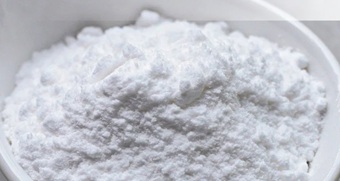
The global Bisphenol A (BPA) market is undergoing a significant structural adjustment in 2026. Capacity expansion in Asia, particularly China, is creating persistent supply pressure, while producers in Europe and other mature markets face higher costs, regulatory constraints and weaker competitiveness. At the same time, demand from polycarbonate and epoxy resins continues to anchor BPA consumption across electronics, automotive, construction, electrical equipment and industrial coatings. The result is an increasingly regionalized market in which capacity utilization and cost position matter as much as underlying demand growth.
Chinese BPA Capacity Expansion Intensifies Oversupply
China has transformed from a major BPA importer into the central force shaping global supply. A wave of integrated refining and petrochemical investments has added substantial domestic capacity, increasing competition among producers and reducing the country's dependence on imported material. This expansion has created a challenging supply-demand balance. Chinese BPA plants have frequently operated below nameplate capacity as producers adjust output to weak margins.The impact extends beyond China: reduced Chinese import requirements leave producers in South Korea, Taiwan and other Asian exporting markets competing for fewer outlets, increasing pressure on regional prices.
Polycarbonate Remains the Largest BPA Demand Driver
Polycarbonate (PC) remains BPA's principal downstream market. The polymer is widely used in automotive components, electrical and electronic equipment, construction materials, optical applications and durable consumer products because of its impact resistance, transparency and dimensional stability. Demand is being reshaped by vehicle electrification and digital infrastructure. Electric vehicles require lightweight engineering plastics for electrical systems, charging components and battery-related applications, while data centers and electronics support demand for flame-retardant and specialized polycarbonate grades. However, polycarbonate itself faces substantial Asian overcapacity. Consequently, expanding PC capacity does not automatically translate into strong BPA margins when downstream operating rates remain subdued.
Epoxy Resins Support Industrial BPA Consumption
Epoxy resins represent BPA's other major outlet. Bisphenol A-based epoxies are essential in protective coatings, adhesives, composites, electronics and construction materials. Renewable energy provides an important demand avenue. Epoxy systems are widely used in wind turbine blades, electrical insulation and structural composites. Infrastructure investment and industrial maintenance also support consumption of corrosion-resistant coatings. Nevertheless, sluggish construction activity in some markets and intense competition among Asian epoxy producers continue to limit pricing power across the value chain.
Europe's BPA Market Faces Regulatory & Cost Pressure
Europe presents a markedly different market environment. High energy and production costs have weakened regional competitiveness while regulation continues to restrict BPA applications. The EU adopted a ban on BPA in food-contact materials in December 2024, covering applications including coatings on metal cans and reusable plastic beverage bottles, with transition periods applying to certain products. The regulation accelerates substitution in food-contact applications and reinforces the development of BPA-free materials. Yet it does not eliminate industrial BPA demand because polycarbonate, epoxy resins and other technical applications remain substantial outlets.
Feedstock Economics Remain Critical
BPA is produced primarily from phenol and acetone, linking profitability to upstream benzene, propylene and energy markets. During periods of oversupply, BPA producers have limited ability to pass higher feedstock costs downstream. Integrated producers therefore possess an important advantage because they can optimize economics across phenol, acetone, BPA and downstream polycarbonate or epoxy operations.
Final Thoughts
The BPA market in 2026 is increasingly defined by a geographic imbalance: expanding Asian capacity contrasts with rationalization and regulatory pressure in mature Western markets. Polycarbonate and epoxy resins will remain the foundation of global BPA consumption, supported by electronics, electric vehicles, renewable energy and industrial applications. However, abundant Chinese capacity is likely to keep utilization rates and margins under pressure. The industry's competitive landscape is therefore shifting toward integrated, cost-efficient production, while regulatory restrictions encourage substitution in sensitive consumer applications. BPA remains an important industrial chemical, but future growth will depend increasingly on high-performance technical uses rather than applications where regulatory pressure makes alternative materials commercially attractive.
Related Reports:
- Bisphenol A (BPA): 2026 World Market Outlook and Forecast up to 2035
- China Bisphenol A (BPA) Market Outlook 2026
- Bisphenol-A(BPA) (CAS 80-05-7) Market Research Report 2026
- Bisphenol A Market Research Report 2026
- The Global Bisphenol A Market
- Global Bisphenol A Market 2026 by Manufacturers, Regions, Type and Application, Forecast to 2032
Market Publishers boasts a rich collection of insightful research studies covering the chemicals and petrochemicals market, find it in the Chemicals & Petrochemicals Market Reports Catalogue.
CONTACTS
The Market Publishers, Ltd.
Natalie Aster
Tel: +357 96 030 922
[email protected]
MarketPublishers.com
Analytics & News
29 Oct 2026
Where Is the Diagnostics Market Heading? 10 Promising Sectors to Watch
26 Oct 2026
Weekly Chemical Market Tracker: Update for October 19-26, 2026
23 Oct 2026
Military Aviation Market: Recent Developments Shaping 2026
21 Oct 2026
New Era of Cryptocurrency: The Rise of Regulated Digital Finance
19 Oct 2026
Weekly Chemical Market Tracker: Update for October 12–19, 2026