
Chlorinated Trisodium Phosphate Remains a Trusted Cleaning Agent
03 Jun 2026 • by Natalie Aster
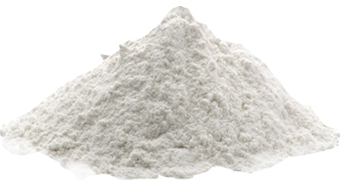
Chlorinated trisodium phosphate, commonly abbreviated as chlorinated TSP or CTSP, continues to hold an important place in professional cleaning and sanitation. Its staying power comes from a practical combination of alkaline cleaning performance, water-softening capability and controlled chlorine release within a single, water-soluble powder.
Modern safety documentation describes chlorinated trisodium phosphate as a cleaning, disinfecting, deodorising and water-softening agent, particularly for food and beverage applications. A typical commercial grade contains at least 3.3% available chlorine, although exact specifications differ among suppliers.
How Chlorinated Trisodium Phosphate Works
When CTSP dissolves in water, its phosphate component creates an alkaline solution that helps loosen grease, protein deposits and stubborn surface contamination. At the same time, the chlorine-releasing component provides sanitising and deodorising action.
Typical technical properties include a pH of approximately 11.7 in a 10 g/L solution, water solubility of around 20 g per 100 g of water at 20°C, and approximately 3.5% available chlorine. These characteristics allow the product to dissolve readily and produce clear working solutions without significant insoluble residue.
This dual-action performance distinguishes chlorinated TSP from products that only remove visible soil or only provide antimicrobial treatment. Cleaning and sanitising can be incorporated into a controlled hygiene programme without relying on complicated multi-ingredient formulations.
CTSP Dosage & Available Chlorine
One manufacturer’s technical guidance indicates that 6 grams of chlorinated TSP per litre of water produces approximately 200 ppm of available chlorine. The same guidance suggests a five-minute contact period for certain sanitising applications, although actual concentrations and exposure times must always follow the product label, facility procedures and applicable regulations.
Food Processing & Industrial Cleaning Applications
Chlorinated trisodium phosphate is particularly useful for cleaning stainless-steel processing equipment, cold rooms, refrigerators, syrup lines, small utensils and clean-in-place systems. It can also help control odours associated with organic residues and microbial activity.
Its effectiveness in hard water is another operational advantage. Minerals in untreated water can reduce detergent performance and leave deposits on equipment. The phosphate portion of CTSP helps condition the water, supporting more consistent cleaning across facilities with varying water quality. Manufacturer guidance also notes that ambient-temperature water may be used for preparing certain solutions, potentially reducing the need for additional heating.
Demand for Reliable Cleaning Chemicals Remains Strong
The broader industrial and institutional cleaning chemicals market was valued at an estimated USD 57.42 billion in 2025 and is forecast to reach approximately USD 75.72 billion by 2031, representing a compound annual growth rate of 4.72%. This forecast covers the wider cleaning-chemicals industry rather than CTSP alone, but it illustrates sustained demand for proven sanitation ingredients.
Why Chlorinated TSP Remains Relevant
Chlorinated trisodium phosphate remains trusted because it combines several essential cleaning functions in a stable, concentrated format. It dissolves easily, performs in hard water and supports cleaning, sanitising and deodorising within carefully managed industrial processes. When selected for compatible surfaces and applied according to current technical and safety instructions, CTSP remains a dependable cleaning agent for demanding hygiene environments.
Related Reports
- Chlorinated Trisodium Phosphate Global Market Insights 2026, Analysis and Forecast to 2031
- Trisodium phosphate (CAS 68130-75-6) Market Research Report 2026
- Trisodium Phosphate (CAS 7601-54-9) Market Research Report 2026
- Trisodium Phosphate (CAS 96337-98-3) Market Research Report 2026
- TSP (CAS 7632-05-5) Market Research Report 2026
Market Publishers boasts a rich collection of insightful research studies covering the chemicals and petrochemicals market, find it in the Chemicals & Petrochemicals Market Reports Catalogue.
CONTACTS
The Market Publishers, Ltd.
Natalie Aster
Tel: +357 96 030 922
[email protected]
MarketPublishers.com
Analytics & News
29 Oct 2026
Where Is the Diagnostics Market Heading? 10 Promising Sectors to Watch
26 Oct 2026
Weekly Chemical Market Tracker: Update for October 19-26, 2026
23 Oct 2026
Military Aviation Market: Recent Developments Shaping 2026
21 Oct 2026
New Era of Cryptocurrency: The Rise of Regulated Digital Finance
19 Oct 2026
Weekly Chemical Market Tracker: Update for October 12–19, 2026
