Polyetherimide (PEI): A High-Performance Polymer for Extreme Environments
16 Mar 2026 • by Natalie Aster
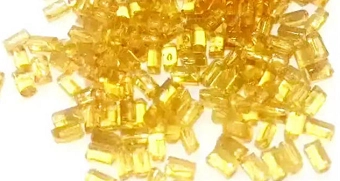
Polyetherimide (PEI) is a high-performance amorphous thermoplastic engineered to deliver exceptional thermal stability, strength, and chemical resistance under extreme operating conditions. Known commercially under brand names such as Ultem™, PEI has emerged a material of choice across industries where reliability, durability, and precision are non-negotiable. Its unique molecular structure, characterized by aromatic imide linkages, enables superior mechanical integrity and long-term performance at elevated temperatures exceeding 170°C.
Unlike conventional plastics, PEI maintains dimensional stability and mechanical properties even under continuous thermal and mechanical stress. This renders it a critical material in sectors such as medical devices, automotive engineering, aerospace, and advanced electronics manufacturing.
Key Properties of Polyetherimide (PEI) That Enable Extreme Performance
Exceptional Thermal Resistance & Flame Retardancy
PEI exhibits a high glass transition temperature (Tg) of nearly 217°C, allowing it to operate in environments where most polymers would fail. It is inherently flame retardant without the need for additives, meeting stringent UL94 V-0 standards. Additionally, PEI produces low smoke emissions, rendering it suitable for applications in enclosed or safety-critical environments such as aircraft interiors and rail systems.
Superior Mechanical Strength & Rigidity
One of the defining features of PEI is its high tensile strength combined with excellent modulus and creep resistance. It retains structural integrity under prolonged mechanical loads, making it ideal for load-bearing components and precision parts. The polymer also exhibits excellent fatigue resistance, ensuring long service life even in dynamic applications.
Outstanding Electrical Insulation Properties
PEI demonstrates stable dielectric performance across a broad spectrum of temperatures and frequencies. Its low dissipation factor and high dielectric strength render it a preferred material for electrical and electronic components, including circuit boards, connectors, and insulating housings.
Chemical Resistance & Hydrolytic Stability
Polyetherimide resists diverse chemicals, including hydrocarbons, alcohols, and weak acids. It also exhibits excellent hydrolytic stability, allowing repeated sterilization using steam autoclaving without degradation. This property is particularly valuable in medical and laboratory applications.
Industrial Applications of Polyetherimide (PEI)
Aerospace & Aviation Components
PEI is extensively used in aerospace for manufacturing lightweight, high-strength components such as brackets, interior panels, and ducting systems. Its flame resistance and low smoke generation meet strict aviation safety standards, while its weight reduction capabilities contribute to enhanced fuel efficiency.
Medical Devices & Sterilizable Equipment
In the healthcare sector, PEI is utilized for surgical instruments, trays, and diagnostic equipment that require repeated sterilization. Its biocompatibility and resistance to high-temperature steam make it a reliable alternative to metals and lower-grade plastics.
Automotive Engineering & Under-the-Hood Applications
Automotive manufacturers rely on PEI for components exposed to high heat and aggressive fluids, including sensor housings, lighting systems, and electrical connectors. Its ability to replace metal parts helps reduce vehicle weight while maintaining performance.
Electronics & Semiconductor Manufacturing
PEI plays a vital role in the electronics industry, where precision and thermal management are critical. It is used in chip handling components, test sockets, and insulating structures due to its dimensional stability and electrical performance.
Advantages of Polyetherimide Over Conventional Engineering Plastics
Compared to materials such as polycarbonate, nylon, or PEEK, PEI offers a balanced combination of performance and cost-efficiency. It provides higher thermal resistance than polycarbonate, better dimensional stability than nylon, and a more economical alternative to PEEK while still delivering high-end performance.
Additionally, PEI is compatible with different manufacturing processes, including injection molding, extrusion, and 3D printing. Its processability boosts design flexibility and cuts production costs without compromising quality.
Future Outlook & Demand for PEI in Advanced Manufacturing
The demand for polyetherimide continues to grow as industries shift toward high-performance, lightweight, and sustainable materials. With increasing emphasis on electrification, miniaturization, and energy efficiency, PEI is positioned as a critical material in next-generation technologies, including electric vehicles, renewable energy systems, and advanced medical devices.
Its recyclability and long lifecycle further support sustainability goals, making it an attractive choice for manufacturers aiming to reduce environmental impact while maintaining superior product performance.
Final Thoughts
Polyetherimide stands at the forefront of high-performance polymers, offering unmatched thermal stability, mechanical strength, and chemical resistance. Its versatility across demanding industries underscores its value as a material engineered for extreme environments. As innovation accelerates across global markets, PEI continues to redefine the boundaries of polymer performance, enabling the development of more efficient, durable, and technologically advanced solutions.
Related Reports:
- Polyetherimide (PEI) - A Global Market Overview
- Global Polyetherimide (PEI) Resin Market Growth 2026-2032
- 2026-2031 Global Polyetherimide (PEI) Outlook Market Size, Share & Trends Analysis Report By Player, Type, Application and Region
- Global Polyetherimide (PEI) Market 2026 by Manufacturers, Regions, Type and Application, Forecast to 2032
- Global Polyetherimide (PEI) Supply, Demand and Key Producers, 2026-2032
- Polyetherimide Market - Global Industry Size, Share, Trends, Opportunity & Forecast, Segmented By Form (Film, Sheet, Granule, Tube, Rod), By Process Type (Injection Molding, Extrusion, Thermoforming, Compression Molding), By Application (Automotive, Aerospace, Electronics, Pharmaceutical, Industrial, Consumer, Food, Others), By Region & Competition, 2020-2030F
Market Publishers boasts a rich collection of insightful research studies covering the chemicals and petrochemicals market, find it in the Thermoplastics Market Reports Catalogue.
CONTACTS
The Market Publishers, Ltd.
Natalie Aster
Tel: +357 96 030 922
[email protected]
MarketPublishers.com
Analytics & News
29 Oct 2026
Where Is the Diagnostics Market Heading? 10 Promising Sectors to Watch
26 Oct 2026
Weekly Chemical Market Tracker: Update for October 19-26, 2026
23 Oct 2026
Military Aviation Market: Recent Developments Shaping 2026
21 Oct 2026
New Era of Cryptocurrency: The Rise of Regulated Digital Finance
19 Oct 2026
Weekly Chemical Market Tracker: Update for October 12–19, 2026