
Zinc Cyanide in Focus: A Key Compound for Surface Treatment Technologies
09 Mar 2026 • by Natalie Aster
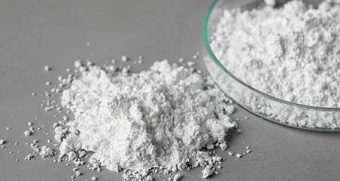
Zinc cyanide continues to occupy a critical position in modern surface treatment technologies, particularly in electroplating processes where precision, consistency, and durability are essential. Its relevance is not a matter of tradition but of performance. In highly demanding industrial environments, where coating quality directly influences product lifespan and reliability, zinc cyanide-based systems consistently deliver results that alternative chemistries struggle to replicate.
Across sectors such as automotive manufacturing, electronics production, and aerospace engineering, zinc cyanide enables the creation of coatings that meet exacting standards. Its ability to produce uniform deposits on complex geometries, while maintaining structural integrity and visual quality, makes it indispensable in advanced manufacturing workflows.
Industrial Applications & Practical Relevance
Zinc cyanide plays a central role in electroplating systems used across a broad range of industries. In automotive manufacturing, it is widely applied to fasteners, brackets, and structural components that must withstand harsh environmental conditions. The coatings produced using zinc cyanide provide reliable corrosion resistance, extending the service life of critical parts.
In the electronics sector, zinc cyanide is used in the plating of connectors and terminals, where conductivity and oxidation resistance are essential. The uniformity of the coating ensures consistent electrical performance, which is vital in high-density and high-reliability systems.
Industrial machinery also benefits from zinc cyanide-based coatings, particularly in components exposed to friction and mechanical stress. The compound enables the production of wear-resistant surfaces that maintain performance over extended periods of operation. In aerospace applications, where weight, precision, and durability are tightly controlled, zinc cyanide supports the creation of coatings that meet strict safety and performance standards.
Performance Superiority Over Alternative Systems
Zinc cyanide-based plating systems continue to outperform many non-cyanide alternatives in critical performance areas. One of the most significant advantages is the superior adhesion achieved during the plating process. This ensures that coatings remain intact even under mechanical stress or environmental exposure.
The surface finish produced by zinc cyanide systems is typically smoother and more uniform, reducing the need for additional polishing or finishing steps. This contributes to both cost efficiency and production speed. Furthermore, the process stability associated with zinc cyanide allows for consistent results across varying operational conditions, which is particularly important in large-scale industrial environments.
Another notable advantage is the reduced risk of hydrogen embrittlement compared to acid-based systems. This is a crucial factor in applications involving high-strength steels, where material integrity must be preserved.
Market Dynamics & Industry Growth
The global surface treatment chemicals market is experiencing steady growth, fueled by escalating demand for high-performance coatings and the expansion of manufacturing activities across the globe. Current projections indicate that the market will surpass USD 18 billion by 2030, with zinc plating accounting for a substantial share of this value.
Zinc-based electroplating processes represent approximately 35 to 40 percent of total electroplating applications, reflecting their widespread adoption across industries. Despite the rise of alternative chemistries, cyanide-based systems continue to hold a significant portion of the market, particularly in applications where precision and reliability are critical.
The automotive sector remains the largest consumer of zinc plating technologies, followed by electronics and industrial equipment. This distribution highlights the continued reliance on zinc cyanide in sectors that demand both functional performance and long-term durability.
Environmental Considerations & Modern Compliance
The use of zinc cyanide is subject to strict environmental and safety regulations due to the inherent toxicity of cyanide compounds. However, advancements in industrial practices have significantly reduced the associated risks. Modern plating facilities employ closed-loop systems that minimize exposure and prevent the release of harmful substances into the environment.
Wastewater treatment technologies have also evolved, enabling the effective neutralization of cyanide before discharge. Automated monitoring systems provide real-time data on cyanide levels, ensuring compliance with regulatory standards and enhancing operational safety.
As a result, many facilities have achieved substantial reductions in environmental impact, with some reporting decreases in cyanide discharge of up to 95 percent. These improvements demonstrate that zinc cyanide can be used responsibly within a framework of advanced process control and regulatory adherence.
Technological Advancements & Future Outlook
Zinc cyanide continues to evolve through ongoing research and technological innovation. Recent developments include the formulation of low-cyanide plating baths, which reduce toxicity while maintaining performance characteristics. The integration of pulse plating techniques has further enhanced the precision of metal deposition, allowing for greater control over coating thickness and structure.
In addition, the adoption of digital monitoring and artificial intelligence is transforming process management. These technologies enable real-time optimization of plating conditions, improving efficiency and reducing waste. Hybrid systems that combine cyanide and non-cyanide chemistries are also emerging, offering a balance between performance and environmental responsibility.
Concluding Thoughts: A High-Precision Solution for Modern Surface Treatment
Zinc cyanide remains a defining compound in the field of surface treatment technologies. Its ability to deliver consistent, high-quality coatings across a wide range of applications ensures its continued relevance in advanced manufacturing. While environmental considerations will continue to influence its use, the combination of technological innovation and stringent safety practices allows zinc cyanide to maintain its position as a high-performance solution.
In industries where precision, durability, and reliability are essential, zinc cyanide-based systems continue to set the standard for excellence in electroplating and surface engineering.
Related Reports:
- Global Zinc Cyanide Supply, Demand and Key Producers, 2026-2032
- Zinc cyanide (CAS 557-21-1) Market Research Report 2026
- Zinc cyanide Market Research Report 2026
- Global Zinc Cyanide Market 2026 by Manufacturers, Regions, Type and Application, Forecast to 2032
Market Publishers boasts a rich collection of insightful research studies covering the chemicals and petrochemicals market, find it in the Zinc Market Reports Catalogue.
CONTACTS
The Market Publishers, Ltd.
Natalie Aster
Tel: +357 96 030 922
[email protected]
MarketPublishers.com
Analytics & News
29 Oct 2026
Where Is the Diagnostics Market Heading? 10 Promising Sectors to Watch
26 Oct 2026
Weekly Chemical Market Tracker: Update for October 19-26, 2026
23 Oct 2026
Military Aviation Market: Recent Developments Shaping 2026
21 Oct 2026
New Era of Cryptocurrency: The Rise of Regulated Digital Finance
19 Oct 2026
Weekly Chemical Market Tracker: Update for October 12–19, 2026
