
Diafenthiuron: A Key Insecticide in Modern Crop Protection
28 Jan 2026 • by Natalie Aster
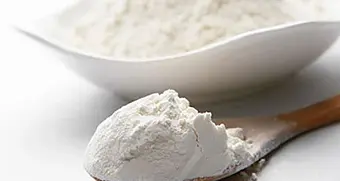
Diafenthiuron has emerged as one of the most strategically important insecticides supporting global crop protection systems. In an era defined by increasing pest resistance, climate-driven infestations, and pressure for sustainable agricultural productivity, diafenthiuron offers a modern, highly efficient, and crop-safe solution. Its unique mode of action, broad control spectrum, and compatibility with integrated pest management (IPM) make it indispensable for farmers seeking reliable yield protection across diverse climates.
Rising Demand for Diafenthiuron in Crop Protection
Over the past five years, the global insecticide sector has demonstrated continuous stability and growth. Diafenthiuron, widely employed to control piercing-sucking pests such as whiteflies, aphids, thrips, and mites, has benefited considerably from this upward trend. Increasing global fruit, vegetable, and fiber crop cultivation, particularly cotton and horticulture crops, continues to expand diafenthiuron’s market relevance.
Why Diafenthiuron Is a Game-Changer for Modern Agriculture
Diafenthiuron stands out due to a combination of performance, safety profile, and resistance-management benefits. Its efficacy remains consistently high even under fluctuating climatic conditions – an essential feature as global temperature variations create ideal breeding conditions for insect populations.
Its delayed yet powerful mode of action converts the compound into toxic metabolites inside pest bodies, ensuring extended control without causing immediate resistance development. This positions diafenthiuron as a preferred rotation chemistry for growers combating pest adaptation.
Mode of Action: Precision Control Against Resistant Pest Populations
Unlike conventional insecticides, diafenthiuron targets mitochondrial activity and inhibits vital cellular processes in pests. This biochemical precision ensures highly effective control of resistant whiteflies and aphids, long-lasting pest suppression (often over 10–14 days), minimal impact on beneficial arthropods when applied according to best practices. Its ability to deliver lethal action on multiple developmental stages, especially nymphs and mobile adult pests, notably reduces pest resurgence.
Critical Role in Cotton, Vegetables & Horticultural Production
Diafenthiuron is heavily used in high-value crops where pest damage translates directly into economic loss. In cotton farming, for example, whiteflies and thrips can reduce yields by 30–50% if left untreated. Diafenthiuron’s penetration and persistence make it a top-tier choice in cotton-producing countries such as India, Brazil, Pakistan, and China.
Horticultural crops (tomatoes, cucumbers, chili, eggplants, and ornamentals) also rely on diafenthiuron for its ability to protect fruit quality and appearance, both essential for export markets.
Environmental Performance & Compatibility with IPM
As global agriculture shifts toward safer, more sustainable crop protection tools, diafenthiuron maintains an advantageous profile: low mammalian toxicity when used responsibly; compatibility with biological control agents, supporting IPM systems; reduced environmental persistence compared to earlier-generation chemistries. These attributes increase acceptance among regulators and growers focused on minimizing ecological impacts while securing food production.
Market Outlook: Continued Expansion Through 2024 & Beyond
The global insecticide market reached an estimated USD 6.4 billion in 2024, up from USD 5.2 billion in 2019 – a steady CAGR aligned with population growth and rising food consumption. Furthermore, diafenthiuron’s role is expected to strengthen due to escalating pest pressure linked to climate change, greater adoption of hybrid and high-density cropping systems, expansion of cotton and vegetable cultivation across Asia-Pacific and LATAM, and increased need for resistance management rotations among farmers. With these factors in play, diafenthiuron remains a core solution in ensuring stable agricultural outputs in both developing and industrialized farming economies.
Diafenthiuron’s Strategic Importance in the Future of Crop Protection
As the demand for sustainable, effective, and resistance-proof pest control intensifies, diafenthiuron stands as one of the most reliable insecticides available today. Its proven efficacy across climates and crops, combined with its favorable safety and performance profile, positions it as a cornerstone of modern agricultural practices.
Diafenthiuron’s continued relevance and increasing global adoption underscore its essential role in safeguarding crop productivity, ensuring supply stability, and supporting the long-term sustainability of global food systems.
Related Reports:
- Diafenthiuron (CAS 80060-09-9) Market Research Report 2026
- Diafenthiuron Market Research Report 2026
- Global Diafenthiuron Market Growth 2025-2031
- Global Diafenthiuron Market 2025 by Manufacturers, Regions, Type and Application, Forecast to 2031
- Global Diafenthiuron Market Research Report 2025(Status and Outlook)
Market Publishers boasts a rich collection of insightful research studies covering the chemicals and petrochemicals market, find it in the Crop Protection Market Reports Catalogue.
CONTACTS
The Market Publishers, Ltd.
Natalie Aster
Tel: +357 96 030 922
[email protected]
MarketPublishers.com
Analytics & News
29 Oct 2026
Where Is the Diagnostics Market Heading? 10 Promising Sectors to Watch
26 Oct 2026
Weekly Chemical Market Tracker: Update for October 19-26, 2026
23 Oct 2026
Military Aviation Market: Recent Developments Shaping 2026
21 Oct 2026
New Era of Cryptocurrency: The Rise of Regulated Digital Finance
19 Oct 2026
Weekly Chemical Market Tracker: Update for October 12–19, 2026
