
Triethanolamine Hydrochloride: A High-Value Building Block in Advanced Chemical Manufacturing
19 Dec 2025 • by Natalie Aster
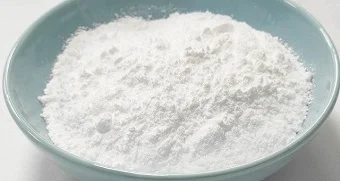
Triethanolamine Hydrochloride has emerged as a strategically significant intermediate within the global specialty chemicals ecosystem. Its importance extends far beyond basic formulation support, playing a decisive role in pharmaceuticals, personal care products, corrosion inhibitors, textile auxiliaries, agrochemicals, and advanced industrial formulations. As demand grows for high-performance, multifunctional chemical intermediates with predictable behavior and regulatory compatibility, triethanolamine hydrochloride continues to gain commercial and technical relevance across both mature and emerging markets.
The global specialty chemicals market exceeded USD 930 billion in 2024 and is projected to grow at a CAGR of 5.4% through 2030, with functional intermediates such as triethanolamine derivatives contributing significantly to value creation. Within this landscape, triethanolamine Hydrochloride occupies a critical niche due to its chemical stability, buffering capability, solubility profile, and compatibility with diverse formulations.
Chemical Profile & Functional Characteristics
Triethanolamine hydrochloride is the hydrochloride salt of triethanolamine, a tertiary amine containing three hydroxyl groups. This molecular structure delivers a unique balance of amine reactivity and alcohol functionality, enabling precise pH control, enhanced solubility, and controlled ionic behavior in complex formulations.
From a formulation standpoint, triethanolamine hydrochloride demonstrates high water solubility and excellent dispersion properties, stable buffering performance across a broad pH range, consistent ionic strength essential for pharmaceutical and cosmetic formulations, and strong compatibility with surfactants, polymers, and active ingredients. These properties make it a preferred intermediate when formulation stability, regulatory compliance, and performance consistency are non-negotiable.
Role in Pharmaceutical & Healthcare Applications
In pharmaceutical manufacturing, triethanolamine hydrochloride is widely utilized as a pH-adjusting and stabilizing agent in topical formulations, injectable solutions, and oral liquids. Its salt form provides superior predictability compared to free-base amines, reducing formulation variability and improving shelf stability.
According to recent industry data, the global pharmaceutical excipients market surpassed USD 9.5 billion in 2024, with functional excipients accounting for more than 42% of total demand. Triethanolamine hydrochloride is increasingly favored in this segment due to its low toxicity profile, compliance with major pharmacopeial standards, and compatibility with active pharmaceutical ingredients (APIs).
Its buffering efficiency is particularly valuable in dermatological preparations, where precise pH control directly impacts bioavailability, skin tolerance, and therapeutic performance.
Growing Demand in Personal Care & Cosmetic Formulations
Personal care and cosmetic manufacturers rely heavily on triethanolamine hydrochloride for emulsification control, pH stabilization, and texture optimization. Unlike conventional neutralizing agents, its hydrochloride form offers improved formulation clarity and reduced risk of precipitation or instability.
The global personal care ingredients market reached approximately USD 15.2 billion in 2024, with specialty intermediates representing one of the fastest-growing subsegments. Triethanolamine hydrochloride is commonly used in creams and lotions, shampoos and conditioners, shaving products, and dermatological cosmetics.
Its ability to enhance product stability without compromising sensory attributes makes it a high-value ingredient in premium cosmetic formulations.
Industrial Applications: Performance Under Demanding Conditions
Beyond healthcare and personal care, triethanolamine hydrochloride plays a crucial role in several industrial sectors. It is widely used in metalworking fluids, corrosion inhibitors, textile processing agents, and specialty coatings, where ionic control and buffering capacity are essential.
In metalworking applications, it helps stabilize emulsions and maintain consistent pH levels, directly improving tool life and surface finish quality. In textiles, it supports dye fixation and fabric treatment processes, contributing to uniform coloration and improved fiber performance.
The global metalworking fluids market alone was valued at USD 11.8 billion in 2024, and demand for advanced additives such as triethanolamine hydrochloride continues to rise due to stricter performance and environmental standards.
Regulatory Compliance & Safety Considerations
Triethanolamine hydrochloride benefits from a well-established regulatory profile. It is widely accepted under REACH, FDA, and cosmetic regulatory frameworks, provided it meets purity and concentration requirements. Its salt form offers improved handling safety and reduced volatility compared to free amines, aligning with modern workplace safety standards.
As regulatory agencies tighten controls on amine-based compounds, manufacturers increasingly favor salt derivatives that deliver performance without elevated risk. This regulatory alignment further strengthens the long-term commercial outlook for triethanolamine hydrochloride.
Market Trends & Future Outlook
Demand for triethanolamine hydrochloride is closely tied to growth in pharmaceuticals, personal care, and specialty industrial formulations. Asia-Pacific currently dominates production and consumption, accounting for nearly 46% of global demand, driven by expanding manufacturing capacity in China, India, and Southeast Asia.
Ongoing innovation in specialty formulations, coupled with rising demand for multifunctional intermediates, positions triethanolamine hydrochloride as a resilient growth contributor through 2030.
Concluding Thoughts: A Strategic Intermediate for High-Performance Formulations
Triethanolamine hydrochloride stands out as a technically versatile, commercially valuable, and regulatory-aligned intermediate within the specialty chemicals industry. Its unique chemical profile supports advanced formulation requirements across pharmaceuticals, personal care, and industrial applications, making it indispensable in modern chemical manufacturing.
As industries continue to prioritize performance consistency, safety, and formulation efficiency, triethanolamine hydrochloride is set to maintain its role as a critical building block in high-value specialty chemical solutions.
Related Reports:
- Triethanolamine hydrochloride (CAS 637-39-8) Market Research Report 2025
- Triethanolamine hydrochloride Market Research Report 2025
- Global Triethanolamine Hydrochloride Market Growth 2025-2031
Market Publishers boasts a rich collection of insightful research studies covering the chemicals and petrochemicals market, find it in the Chemicals & Petrochemicals Market Reports Catalogue.
CONTACTS
The Market Publishers, Ltd.
Natalie Aster
Tel: +357 96 030 922
[email protected]
MarketPublishers.com
Analytics & News
29 Oct 2026
Where Is the Diagnostics Market Heading? 10 Promising Sectors to Watch
26 Oct 2026
Weekly Chemical Market Tracker: Update for October 19-26, 2026
23 Oct 2026
Military Aviation Market: Recent Developments Shaping 2026
21 Oct 2026
New Era of Cryptocurrency: The Rise of Regulated Digital Finance
19 Oct 2026
Weekly Chemical Market Tracker: Update for October 12–19, 2026
