
Why Potassium Nitrate Remains Essential Across Multiple Industries
15 Dec 2025 • by Natalie Aster
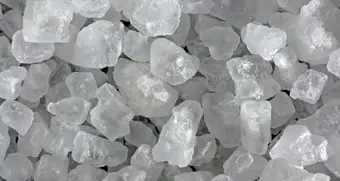
Potassium Nitrate (KNO₃) continues to occupy a central role in a remarkably diverse set of industries, from agriculture and food preservation to glassmaking, pyrotechnics, and even emerging energy-storage systems. Its unique chemical properties, broad applicability, and favorable economics ensure that demand remains strong and even grows.
The Chemical Backbone: Potassium Nitrate’s Fundamental Properties
Potassium nitrate combines two vital nutrients (potassium and nitrogen) in a highly water-soluble, stable, and transportable form. That solubility enables efficient distribution when dissolved, whether in soil through fertigation, in glass melts, or in industrial baths. Its oxidizing capacity also makes it a reliable reagent in processes requiring controlled combustion or chemical oxidation.
Unlike many other nitrates, potassium nitrate strikes a balance between reactivity, stability, and ease of handling – traits that have allowed it to persist even as newer materials and technologies emerge.
Agriculture: Sustaining Global Food Production
Agricultural applications remain the single largest driver of potassium nitrate consumption worldwide. As a high-efficiency fertilizer, it supplies both nitrogen and potassium – two macronutrients essential for plant growth, fruit development, water regulation, and stress resistance.
The demand for potassium nitrate in the agricultural sectors is poised to exhibit a robust upturn in the next 10 years. This ongoing growth reflects intensifying needs for crop yields driven by population growth, changing diets, and increasing cultivation of high-value horticultural crops, all of which often rely on precise nutrient formulations.
Food Preservation & Processing: Traditional Roles, Continued Relevance
Historically, potassium nitrate was widely used in meat curing and food preservation, credited for its ability to inhibit spoilage and bacterial growth, particularly helpful in salamis, dry-cured hams, and traditional charcuterie.
Although many producers have shifted to faster-acting preservatives (like sodium nitrite), potassium nitrate remains approved (for example, under E252 in the European Union) and continues to be used in certain regions and specialty products.
In processed meats, where demand remains robust globally, potassium nitrate still contributes, particularly where long-term preservation and traditional curing methods are valued.
Industrial Uses: Glass, Metal Treatment, Pyrotechnics & More
Beyond agriculture and food, potassium nitrate’s chemical versatility makes it a go-to for multiple industrial applications:
Glass Manufacturing: potassium nitrate acts as an oxidizing agent in glass production, helping to reduce defects, improve clarity, and strengthen final products.
Metal Heat Treatment & Surface Finishing: In molten salts baths (often combined with other nitrates or nitrites), potassium nitrate supports controlled oxidation and finish creation; for example, for creating protective finishes on metal surfaces, including firearms or tools.
Pyrotechnics & Explosives: As a reliable oxidizer in black powder, fireworks, and other pyrotechnic mixes, it remains critical where traditional combustion-based effects are required.
Emerging Energy Storage Solutions: Some concentrated solar power (CSP) and thermal-energy storage systems are increasingly exploring molten-salt media. Potassium nitrate, given its thermal stability and molten salt behavior, is being cited as valuable in this context, supporting demand in the energy and sustainability sectors.
Such multipurpose industrial use is rare for a single compound, and this versatility underpins potassium nitrate’s enduring relevance even as industrial technologies evolve.
Market Momentum: Still Growing in 2024–2035
Current market data underscores a healthy future for potassium nitrate. As of the year 2024, the global potassium nitrate market was estimated at around USD 2.35 billion, with a projected rise to USD 3.79 billion by 2032.
Among regional markets, the Asia-Pacific region takes the lead – notably, countries like China and India are the largest consumers and producers, driven by expansive agriculture, population growth, and industrial demand.
Even as new applications (e.g., energy storage, specialty chemicals) arise, demand from traditional sectors remains robust enough to sustain overall growth. Thus, potassium nitrate remains a growth-oriented commodity with stable demand across diverse sectors.
Why Potassium Nitrate Still Outperforms Many Alternatives
It may seem that modern fertilizers, synthetic preservatives, or advanced industrial chemicals could replace potassium nitrate, yet several factors keep it irreplaceable:
- Dual nutrient supply (K + N): while many fertilizers supply only one nutrient or require mixing, potassium nitrate delivers both key nutrients simultaneously in balanced proportions.
- High solubility & precise delivery: especially in fertigation and foliar applications, potassium nitrate dissolves readily and distributes evenly, avoiding common issues like clogging or uneven nutrient delivery associated with less soluble alternatives.
- Chemical stability & reliability: unlike some nitrates or fertilizers that degrade or volatilize, potassium nitrate remains stable over storage and transport, ensuring consistent performance.
- Versatility across sectors: from soil to glass furnaces, from meat curing vats to molten salts for metals, its applicability spans many disparate industries – a major advantage compared to highly specialized chemicals.
- Cost-effectiveness relative to performance: considering the breadth of uses, the relative cost, and ease of handling, potassium nitrate offers a unique value-for-cost combination.
Looking Ahead: Evolving Demand & Emerging Applications
As industries evolve, potassium nitrate appears well-positioned to benefit from several megatrends:
Sustainably intensified agriculture
With the global population projected to rise further, demand for efficient, reliable fertilizers will only increase. Potassium nitrate’s potency and dual nutrient profile make it ideal for high-yield, high-value crop cultivation.
Green energy infrastructure
As molten-salt thermal storage gains traction in concentrated solar power and other renewable energy systems, potassium nitrate-based salt mixtures may see rising demand.
Industrial modernization and specialization
Demand for high-purity nitrates for specialty chemicals, medical, and advanced manufacturing is growing; potassium nitrate’s established supply chains and reliability favor its continued adoption.
Resurgence in traditional sectors
Certain sectors like specialty foods, artisanal glass, metal finishing, and pyrotechnics continue to rely on classic chemical processes, ensuring steady baseline demand.
Concluding Thoughts: Irreplaceable Versatility Anchors Potassium Nitrate’s Future
Potassium nitrate remains one of the most valuable and resilient industrial chemicals in the world. Its unique blend of chemical properties, its ability to serve diverse sectors (from agriculture and food to glass, metals, chemicals, and energy), and its cost-effectiveness make it far more than a commodity: it’s a backbone material supporting essential global industries.
As demand grows for food, sustainable energy, industrial materials, and specialty manufacturing, the importance of potassium nitrate only deepens. For companies, policymakers, or sectors looking for reliable, multifaceted chemical solutions, potassium nitrate remains a cornerstone, not a relic.
Given the robust market forecasts, the regional dynamics, and the expanding scope of applications, potassium nitrate is set to remain essential across multiple industries for decades to come.
Market Publishers boasts a rich collection of insightful research studies covering the chemicals and petrochemicals market, find it in the Inorganic Salts Market Reports Catalogue.
CONTACTS
The Market Publishers, Ltd.
Natalie Aster
Tel: +357 96 030 922
[email protected]
MarketPublishers.com
Analytics & News
29 Oct 2026
Where Is the Diagnostics Market Heading? 10 Promising Sectors to Watch
26 Oct 2026
Weekly Chemical Market Tracker: Update for October 19-26, 2026
23 Oct 2026
Military Aviation Market: Recent Developments Shaping 2026
21 Oct 2026
New Era of Cryptocurrency: The Rise of Regulated Digital Finance
19 Oct 2026
Weekly Chemical Market Tracker: Update for October 12–19, 2026
