
Activated Carbon as a Cornerstone of Next-Generation Water Treatment Solutions
14 Nov 2025 • by Natalie Aster
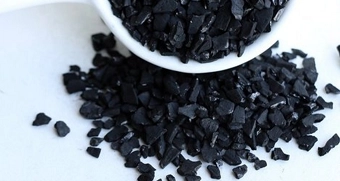
In today’s environment, the challenge of delivering safe and clean water is more acute than ever. Industrial discharge, emerging contaminants, and stricter regulatory frameworks are forcing utilities, manufacturers, and water-treatment specialists to rethink purification technologies. At the heart of this critical equation lies activated carbon – a proven, flexible adsorbent material that has stepped into the spotlight as a central player in water treatment. As the world’s market for activated carbon in water treatment surges ahead, understanding the growth dynamics, trend drivers, and future opportunities becomes vital.
Market Scope & Forecast: Strong Momentum Ahead
Recent industry research highlights robust momentum for the activated carbon market in water‐treatment applications. For instance, one study projects the global water-treatment-specific activated carbon market to rise from roughly USD 2.99 billion in 2024 to approximately USD 7.84 billion by 2035 – translating into a CAGR of nearly 9.1%. Meanwhile, broader estimates for the activated carbon market overall suggest a rise from USD 5.62 billion this year to over USD 10.04 billion by the year 2032, at a CAGR of around 8.7%. This indicates that the water-treatment segment is outperforming many other application domains, underscoring its strategic importance.
Why Activated Carbon Is Gaining Ground
- Regulatory Pressure & Contaminant Awareness
Governments and water-utilities worldwide are responding to intensifying concerns over contaminants such as PFAS (“forever chemicals”), pharmaceuticals, micro-pollutants and trace organics that traditional treatment technologies struggle to remove. These pressures are compelling the increased adoption of advanced adsorbent solutions like activated carbon. - Versatility & Performance of Activated Carbon
Derived from coconut shells, wood, coal, and other carbonaceous precursors, activated carbon undergoes high-temperature activation to produce an exceptionally porous structure. That porous matrix is highly effective at adsorbing chlorine, organic compounds, odours, and emerging pollutants, rendering it a favoured material in both municipal and industrial water treatment. - Cost-Effectiveness & Operational Flexibility
Compared to some high-end membrane and advanced oxidation systems, activated carbon solutions often offer a balance of high performance and economic feasibility, especially when retrofitting existing treatment facilities or deploying in regions facing budget constraints. - Urbanization & Industrialization Trends
Rapid urban growth and increased industrial activities in Asia-Pacific, Latin America, and other emerging regions produce greater volumes of wastewater and demand for potable water, thus fueling the need for robust purification technologies.
Segmentation: Materials, End-Uses & Regions
Material Types
Activated carbon comes in diverse forms: granular activated carbon (GAC), powdered activated carbon (PAC), extruded (EAC), and impregnated variants geared for specific contaminants. Studies point out that PAC is seeing strong uptake for flexible dosing in water treatment, while GAC remains dominant where fixed-bed installations are required.
End-Use Applications
Municipal water treatment (drinking water and sewage effluent reuse) represents a large portion of demand, closely followed by industrial water treatment (power generation, chemical manufacturing, food & beverage). The growing awareness of water reuse and stricter discharge standards are significant growth levers.
Regional Dynamics
Asia-Pacific currently dominates the global share of activated carbon demand due to heavy industrialization, large populations, and rising infrastructure investment. North America and Europe follow, driven by rigorous regulations and advanced water infrastructure.
Emerging Trends & Innovations to Watch
Tailored Carbons for Emerging Pollutants
There is an increasing push to engineer activated carbons with enhanced selectivity for trace organics, PFAS, micro-plastics, and other hard-to-remove molecules — marking a shift from generic to application-specific adsorbents.
Integration with Hybrid Treatment Systems
Activated carbon is increasingly being combined with advanced oxidation processes (AOPs), membrane filtration, or electrochemical systems to achieve higher removal efficiencies and tackle recalcitrant contaminants.
Sustainable Production & Regeneration
Raw material volatility and environmental concerns around spent carbon disposal are spurring the development of renewable-feedstock carbons (e.g., biomass-derived) and improved regeneration technologies that extend life-cycle and reduce footprint.
Challenges & Market Restraints
While the outlook is strong, several hurdles remain:
Raw Material Supply & Cost Fluctuations: Availability and price volatility of coconut shell, coal, and other feedstocks impact production costs and margin stability.
Competition from Alternative Technologies: Membrane systems, ultraviolet-based advanced oxidation, ion exchange resins, and newer adsorbents represent alternative pathways for water treatment, which can impact activated carbon uptake in certain niche applications.
Spent Carbon Management: Disposing or regenerating saturated activated carbon poses logistical and environmental challenges, especially when dealing with adsorbed hazardous compounds.
Outlook: Strategic Implications & Industry Impacts
Looking ahead to 2030 and beyond, the activated carbon market in water treatment is set to remain a growth engine within the clean-water infrastructure sphere. The dual pressures of regulatory tightening (especially around drinking water and discharge standards) and the accelerating demand for water-reuse systems will keep the demand for advanced adsorbents high. For suppliers and end-users alike, staying ahead means investing in carbon materials tailored for emerging contaminants, adopting hybrid systems, and optimizing life-cycle cost through regeneration and sustainability practices. Companies that can deftly navigate feedstock sourcing, demonstrate performance in challenging treatment scenarios, and align with global sustainability trends stand to gain considerable advantage in this dynamic market.
Final Thoughts
In summary, activated carbon is far more than a commodity adsorbent – it is a strategic lever in water-treatment planning, enabling compliance, performance, flexibility, and cost-effectiveness. With global forecasts pointing to near-tripling of the water-treatment activated carbon market over the next decade, market players must sharpen focus on innovation, regional deployment strategies, and lifecycle management. The future of water purification will increasingly hinge on how well activated carbon-based solutions can be engineered, applied, and maintained in a world where water quality demands are rising inexorably.
Related Reports:
- Global Activated Carbon for Water Treatment Market 2025 by Manufacturers, Regions, Type and Application, Forecast to 2031
- Global Activated Carbon For Water Treatment Market Research Report 2025(Status and Outlook)
- Activated Carbon: Types and Global Markets
- Water Treatment System Market Report: Trends, Forecast and Competitive Analysis
- Global Water Treatment Activated Carbon Market Research Report 2024(Status and Outlook)
- Activated Carbon Market for Water Treatment - A Global and Regional Analysis: Focus on Application, Product, and Regional Analysis - Analysis and Forecast, 2025-2035
- Activated Carbon Market - Global Industry Size, Share, Trends, Opportunity & Forecast, Segmented By Type (Powdered, Granular, Others), By Raw Material (Wood, Coconut Shells, Coal, Others), By End User (Water Treatment, Food & Beverage, Pharmaceutical, Automotive, Air Purification, Others), By Region & Competition, 2020-2030F
A full Market Publishes’ collection of research studies featuring the water treatment chemicals market can be found in this catalogue.
CONTACTS
The Market Publishers, Ltd.
Natalie Aster
Tel: +357 96 030 922
[email protected]
MarketPublishers.com
Analytics & News
29 Oct 2026
Where Is the Diagnostics Market Heading? 10 Promising Sectors to Watch
26 Oct 2026
Weekly Chemical Market Tracker: Update for October 19-26, 2026
23 Oct 2026
Military Aviation Market: Recent Developments Shaping 2026
21 Oct 2026
New Era of Cryptocurrency: The Rise of Regulated Digital Finance
19 Oct 2026
Weekly Chemical Market Tracker: Update for October 12–19, 2026
