
Agricultural Leaders: World’s Top Tangerine-Producing Countries
05 Nov 2025 • by Natalie Aster
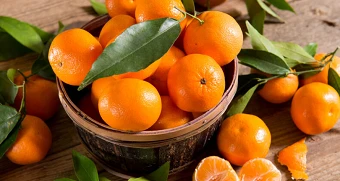
Tangerines – more precisely, the varieties grouped under mandarins, clementines, and related citrus hybrids – are among the most dynamic segments in global fruit agriculture. Their appealing size, sweet-tangy taste, ease of peeling, and year-round consumer demand have propelled them into the spotlight. According to industry insights, global mandarin/tangerine supply totaled approximately 43.26 million metric tons in 2024, and is projected to follow an upward trend registering a CAGR of around 2.6% through 2028.
Key structural trends shaping the sector
Varietal innovation: New low-seed, thin-skinned tangerine hybrids are gaining traction in export markets. Producers with access to superior genetics will have an advantage.
Cold chain & logistics: Enhanced infrastructure, especially in emerging production regions, is improving fruit shelf-life, making farther-afield suppliers more viable.
Seasonal diversification: As supply expands globally, managing seasonal peaks and export windows becomes increasingly important to maintain margin and avoid gluts.
Sustainability and certification: As buyers demand traceability and sustainability credentials (water-use efficiency, labour standards, carbon footprint), producers who align early will have a commercial edge.
Climate resilience: Citrus greening disease, drought, and extreme weather are ongoing risks. Diversification of growing zones and investments in resilient varieties are critical.
1. China: Unmatched Leadership in Tangerine Production
At the forefront of global tangerine/mandarin output is China. According to aggregated data, China produces around 27 million metric tons of tangerines/mandarins annually — a volume far higher than any other country.
Why China dominates
- Wide expanse of subtropical growing zones (provinces such as Guangxi, Hunan, Jiangxi) allows for multiple harvest windows and high yield densities.
- Domestic consumption is huge, which supports large-scale production even before factoring exports.
- Government and agritech investments in orchard modernization and cold-chain infrastructure are increasingly lifting quality and shelf-life.
- Export ambitions are rising: in the 2023/24 season, global reports indicate China’s mandarin/tangerine output was expected to reach 26.9 million tons, supported by improved weather and expanded plantings.
Strategic implications
For global suppliers and buyers, China’s scale means: pricing benchmarks will increasingly reflect Chinese output; younger trees coming into production may keep supply strong; however, quality differentiation (variety, export grade, certification) will become more important to make inroads against the volume leader.
2. India: Rapid Growth in a Large Domestic Market
India stands out as the second-largest tangerine/mandarin producer in the world, with production estimates around 6.18 million metric tons for mandarins/tangerines.
Key drivers
- Strong regional clusters: e.g., Nagpur region in Maharashtra (famous for “Nagpur mandarins”), Punjab/Haryana for Kinnow-type mandarins, Madhya Pradesh for newer plantings.
- Government horticulture support that targets improved yields, variety development, and post-harvest infrastructure.
- Rising domestic consumption: as incomes grow and fresh-fruit demand expands, the mandarin segment gains share among citrus.
- Export potential remains under-utilised compared to China, so there is upside for India to expand the international footprint.
Observations
India’s challenge is to shift more production from commodity fresh consumption into export-grade or value-added segments (e.g., peeled mandarins, premium packaging). For those monitoring global supply chains, India’s cost structure may become increasingly competitive.
3. Turkey: Mediterranean Gateway for Tangerines
Turkey ranks third in mandarin/tangerine production globally, with output in recent datasets around 2.95 million metric tons.
Growth pillars
- Mediterranean climate along Turkey’s southern coast offers ideal conditions for mandarins, particularly varieties suitable for export.
- Strategic location: Turkey can service European markets with short logistics times, giving an export advantage over more distant producers.
- New plantings and orchard modernization have recently accelerated: industry reports point to a strong rebound in production and exports.
Market position
Turkey is increasingly seen as a premium small-fruit citrus producer, rather than a volume commodity supplier. Success will hinge upon maintaining quality, obtaining certifications, reducing post-harvest loss, and aligning with European market demands (e.g., packaging, traceability).
4. Spain & Mediterranean Europe: Premium Niche Leadership
Spain comes next among major producers, with around 1.86 million metric tons of mandarins/tangerines.
Why Spain matters
- Spain focuses on higher-value varieties (clementines, satsumas) and exports large volumes into Europe.
- Mediterranean climate ensures consistent quality, enabling Spain to command premium pricing and export volumes.
- While Spain’s output is smaller than Asian giants, its position as a trusted supplier for fresh-fruit markets is strong.
Strategic viewpoint
For fresh-cut producers, high-end retailers, and importers looking for consistent quality and short transit time into Europe, Spain remains a benchmark. However, Spain must keep investing in cold-chain logistics, orchard renewal, and cost control to stay competitive against lower-cost producers.
5. Egypt & North Africa: Rising African Supplier
Across North Africa, Egypt plays a meaningful role. Production estimates for Egypt are in the range of 1.19 million metric tons (mandarin/tangerine segment). Morocco also features as a smaller but fast-growing player.
Highlights
- Egypt has a long citrus-growing tradition, particularly in the Nile Delta region, benefiting from irrigation and access to Mediterranean markets.
- North Africa’s seasonality often complements northern hemisphere supply, creating potential export windows for mandarins into Europe when other regions are off-peak.
- Investment in modern packing, cold-chain infrastructure, and export logistics is increasing.
Implications
North Africa is emerging as a strategic alternative supply base for European fresh markets seeking diversification. Buyers are paying attention to seasonality, cost advantage, and niche varietal differentiation.
Bottom Line
Understanding the global tangerine/mandarin landscape is vital for producers, buyers, processors, retailers, and policy-makers alike. The major production hubs (China, India, Turkey, Spain, and Egypt) have distinct roles and competitive advantages. Yet it is the interplay of volume, quality, infrastructure, seasonality, and market access that will determine who gains and who falls behind.
In a global market projected to expand steadily, the tangerine/mandarin sector offers rich opportunity, but only for those aligned with efficient supply-chain execution, varietal differentiation, and responsive market strategies.
Related Reports:
- Citrus Fruit Market in China: Business Report 2025
- Citrus Fruit Market in India: Business Report 2025
- Citrus Fruit Market in Turkey: Business Report 2025
- Citrus Fruit Market in Spain: Business Report 2025
- Citrus Fruit Market in Egypt: Business Report 2025
- Tangerine extract Market Research Report 2025
- 2025 Tangerine Jam Market Report - Industry Size, Competition, Trends and Growth Opportunities by Region - Forecast by Types and Applications (2024-2032)
CONTACTS
The Market Publishers, Ltd.
Natalie Aster
Tel: +357 96 030 922
[email protected]
MarketPublishers.com
Analytics & News
29 Oct 2026
Where Is the Diagnostics Market Heading? 10 Promising Sectors to Watch
26 Oct 2026
Weekly Chemical Market Tracker: Update for October 19-26, 2026
23 Oct 2026
Military Aviation Market: Recent Developments Shaping 2026
21 Oct 2026
New Era of Cryptocurrency: The Rise of Regulated Digital Finance
19 Oct 2026
Weekly Chemical Market Tracker: Update for October 12–19, 2026
