
Dibutyl Maleate: A Key Intermediate for Specialty Chemicals
13 Oct 2025 • by Natalie Aster
Dibutyl Maleate (DBM) has steadily emerged as a cornerstone intermediate in the specialty chemicals sector. With its versatile reactivity and wide range of downstream applications, DBM has become integral to industries spanning coatings, adhesives, textiles, plastics, and pharmaceuticals. As global demand for high-performance materials accelerates, the role of dibutyl maleate in enabling innovation across sectors is more pronounced than ever.
Understanding Dibutyl Maleate & Its Industrial Value
Dibutyl Maleate is an ester of maleic acid, produced by the esterification of maleic anhydride with butanol. This compound is valued for its excellent solvency, flexibility, and compatibility with various polymers and resins. Its chemical structure makes it highly adaptable, enabling manufacturers to tailor DBM into plasticizers, copolymers, and intermediates for specialty formulations.
One of the most important advantages of DBM is its ability to act as a building block for emulsion polymers. When copolymerized with vinyl acetate or acrylic monomers, it imparts flexibility, improved adhesion, and weather resistance – properties highly desired in modern coatings and adhesives.
Expanding Applications of Dibutyl Maleate
1. High-Performance Coatings and Adhesives
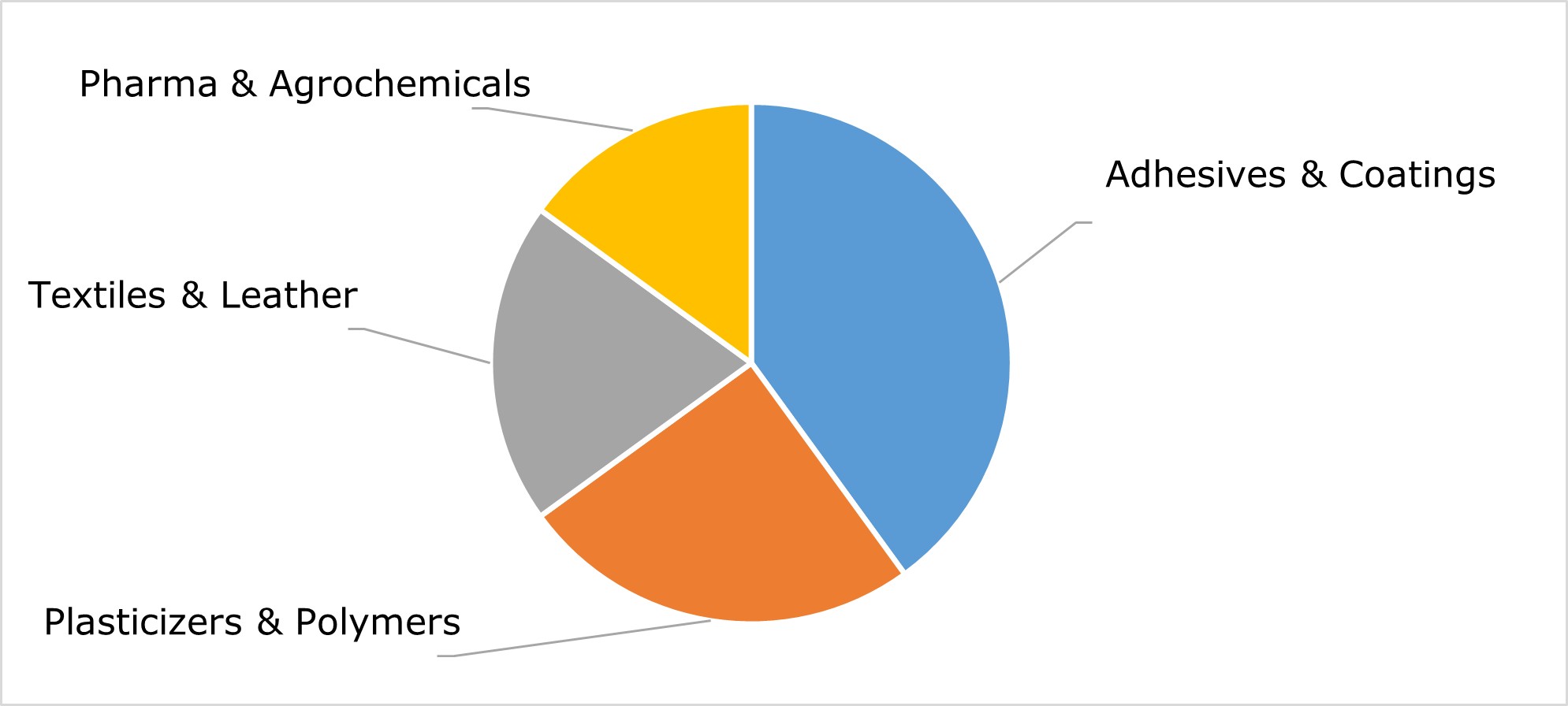
In coatings, dibutyl maleate enhances resistance to cracking and provides superior film-forming properties. Its use in adhesives contributes to flexibility and strong bonding even under dynamic stress conditions. This makes DBM indispensable in industries such as construction, automotive, and packaging, where performance and durability are crucial.
2. Textile and Leather Treatments
Dibutyl maleate derivatives are widely utilized in textile finishing, offering improved softness, flexibility, and crease resistance. In leather processing, it provides desirable mechanical strength and smooth finish, helping manufacturers meet consumer demand for premium-quality materials.
3. Plasticizers for Polymers
DBM acts as an effective co-monomer in polyvinyl chloride (PVC) modification, enhancing plasticity without compromising structural stability. This property is essential for the production of flexible PVC applications such as cables, flooring, and films.
4. Pharmaceutical and Agrochemical Intermediates
Beyond industrial polymers, DBM plays a role in pharmaceutical synthesis and agrochemical intermediates, particularly in formulating safe and effective active ingredients. Its versatility supports the development of specialty molecules designed for efficiency and performance.
Structure of the Dibutyl Maleate Market by Application (2024)
Market Trends & Demand Growth
The dibutyl maleate market is strongly tied to the expansion of specialty polymers, adhesives, and coatings. According to recent industry data, the global market for dibutyl maleate is projected to reach USD 315 million by 2030, growing at a CAGR of around 5.6%. This growth is attributed to several factors, including the rising construction activity fueling demand for high-performance adhesives and paints, the rising shift toward eco-friendly coatings with enhanced weatherability, robust expansion of the automotive and packaging industries in Asia-Pacific, and the increasing consumption of flexible PVC in infrastructure projects.
Regional Insights:
- Asia-Pacific dominates the market, with China and India serving as major producers and consumers. Rapid industrialization and infrastructure growth contribute to significant demand.
- Europe focuses on DBM applications in sustainable coatings and eco-compliant adhesives, driven by regulatory policies.
- North America continues to expand DBM usage in pharmaceuticals and advanced polymers, benefiting from innovation-driven manufacturing.
The Future of Dibutyl Maleate in Specialty Chemicals
As industries transition toward sustainable and high-performance materials, DBM will play an increasingly critical role. Innovations in bio-based production of maleic anhydride and advanced polymerization technologies could enhance DBM’s environmental profile, making it more attractive to manufacturers seeking low-VOC and eco-compliant solutions.
Furthermore, the integration of DBM into nanocomposite polymers and smart coatings signals new opportunities. With growing R&D investments, dibutyl maleate is not just a traditional intermediate but a strategic enabler of specialty chemical innovation.
To Conclude
Dibutyl Maleate has cemented its place as a key intermediate driving advancements in coatings, adhesives, textiles, plastics, and pharmaceuticals. Its ability to impart flexibility, adhesion, and durability makes it irreplaceable in today’s performance-driven markets. With rising global demand and technological innovations, DBM is positioned to remain at the forefront of the specialty chemicals industry.
Related Reports:
- Dibutyl maleate DBM (CAS 105-76-0) Market Research Report 2025
- DIBUTYL MALEATE (CAS 105-76-0) Market Research Report 2025
- Global Dibutyl Maleate (DBM) Market Growth 2025-2031
- Global Dibutyl Maleate (DBM) Market Research Report 2025(Status and Outlook)
Market Publishers boasts a rich collection of insightful research studies covering the chemicals and petrochemicals market, find it in the Chemicals & Petrochemicals Market Reports Catalogue.
CONTACTS
The Market Publishers, Ltd.
Natalie Aster
Tel: +357 96 030 922
[email protected]
MarketPublishers.com
Analytics & News
29 Oct 2026
Where Is the Diagnostics Market Heading? 10 Promising Sectors to Watch
26 Oct 2026
Weekly Chemical Market Tracker: Update for October 19-26, 2026
23 Oct 2026
Military Aviation Market: Recent Developments Shaping 2026
21 Oct 2026
New Era of Cryptocurrency: The Rise of Regulated Digital Finance
19 Oct 2026
Weekly Chemical Market Tracker: Update for October 12–19, 2026
