
Polyisobutenyl Succinic Anhydride: A Crucial Ingredient in Next-Generation Lubricants
26 Feb 2025 • by Natalie Aster
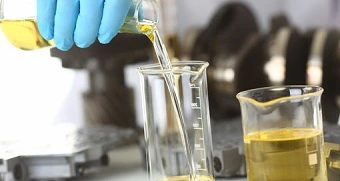
Polyisobutenyl Succinic Anhydride (PIBSA) is emerging as a foundational component in the formulation of advanced lubricants. Due to its unique chemical properties, PIBSA enhances the performance of lubricants used in diverse industrial and automotive applications. PIBSA is synthesized through the reaction of polyisobutene with maleic anhydride, resulting in a product that improves thermal stability, solubility, and compatibility with other additives.
Boosting Lubricant Performance with PIBSA
PIBSA serves as a critical intermediary in creating performance additives that significantly boost the efficiency and longevity of gear oils, engine oils, and hydraulic fluids. It functions primarily as an emulsifier and dispersant, ensuring that the lubricants maintain their efficacy even under extreme conditions. The ability of PIBSA to integrate seamlessly with other additives results in lubricants that are not only more effective but also more stable over extended periods.
Applications in Automotive and Industrial Sectors
In the automotive sector, PIBSA-based lubricants are essential for ensuring the optimal performance of high-performance engines. They reduce sludge formation and wear, thereby extending engine life and enhancing fuel efficiency. Similarly, in industrial applications, these lubricants are vital in minimizing the operational downtime of heavy machinery by providing superior lubrication and reducing the frequency of maintenance.
Technological Advancements and PIBSA
Recent advancements in technology have allowed manufacturers to enhance the molecular structure of PIBSA, improving its functional properties. Modern PIBSA variants are designed to provide even greater thermal stability and oxidative resistance, which are essential for lubricants operating in environments with fluctuating temperatures and exposure to different contaminants.
Environmental Impact and Sustainability
The integration of PIBSA in lubricants also aligns with the growing emphasis on environmental sustainability. PIBSA-based lubricants are often more biodegradable and less toxic compared to traditional options. Manufacturers are increasingly focusing on developing PIBSA formulations that support eco-friendly lubricant systems, reducing environmental impact without compromising on performance.
The Future of PIBSA in Lubricants
Looking forward, the role of PIBSA in lubricant manufacturing is set to expand. With ongoing research and development, the potential applications of PIBSA are broadening, promising even more efficient and eco-friendly lubricant solutions. As industries continue to seek advanced materials that offer both performance and sustainability, PIBSA's importance in the lubricant market is slated to grow considerably.
Concluding Thoughts
Polyisobutenyl Succinic Anhydride stands out as a pivotal component in the development of next-generation lubricants. Its ability to improve the performance, stability, and environmental profile of lubricants renders it an invaluable asset in the automotive and industrial sectors. As we advance, the continued innovation and application of PIBSA are anticipated to play a central role in shaping the future of lubricant technologies, driving efficiency, and sustainability forward.
Related Reports:
- Global Polyisobutenyl Succinic Anhydride (PIBSA) Market 2025 by Manufacturers, Regions, Type and Application, Forecast to 2031
- Global Polyisobutenyl Succinic Anhydride (PIBSA) Market Growth 2025-2031
- Global Polyisobutenyl Succinic Anhydride (PIBSA) Market Research Report 2024(Status and Outlook)
Market Publishers boasts a rich collection of insightful research studies covering the chemicals and petrochemicals market, find it in the Chemicals & Petrochemicals Market Reports Catalogue.
CONTACTS
The Market Publishers, Ltd.
Natalie Aster
Tel: +357 96 030922
[email protected]
MarketPublishers.com
Analytics & News
29 Oct 2026
Where Is the Diagnostics Market Heading? 10 Promising Sectors to Watch
26 Oct 2026
Weekly Chemical Market Tracker: Update for October 19-26, 2026
23 Oct 2026
Military Aviation Market: Recent Developments Shaping 2026
21 Oct 2026
New Era of Cryptocurrency: The Rise of Regulated Digital Finance
19 Oct 2026
Weekly Chemical Market Tracker: Update for October 12–19, 2026
