
Sodium Tripolyphosphate: A Versatile Ingredient in Household & Industrial Products
24 Feb 2025 • by Natalie Aster
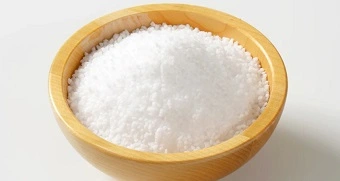
Sodium tripolyphosphate (STPP) is a multifaceted chemical staple in numerous sectors, essential for its role in improving the quality and efficiency of many products. STPP serves as a sequestrant, which allows it to bind with minerals in water that often cause scale and corrosion, thereby enhancing the effectiveness of detergents and cleansers.
STPP in Household Cleaning Agents
Enhancing Detergent Performance
In the realm of household cleaning, STPP is celebrated for its ability to boost detergent capabilities. By softening hard water, it empowers detergents to act more effectively, breaking down dirt and grime with ease. This not only elevates the cleaning power but also ensures fabrics are treated gently, preserving their quality and color integrity over time.
Role in Dishwashing Detergents
Dishwasher detergents also benefit significantly from STPP. It aids in preventing spots and film from forming on dishes during the washing process. The compound acts by chelating calcium and magnesium ions, which are responsible for water hardness, thus enhancing the overall cleanliness and appearance of washed items.
Industrial Applications of STPP
In the Ceramics Industry
STPP is indispensable in the manufacture of ceramic tiles and pottery. It facilitates the even distribution of ceramic particles, leading to a more uniform and smoother finish in ceramic products. Additionally, it acts as a deflocculant, reducing viscosity and thereby improving the workability of ceramic slurries.
Water Treatment Processes
Water treatment facilities utilize STPP as a primary agent to prevent scale formation in pipes and machinery. Its ability to sequester metal ions helps maintain the operational efficiency of equipment used in water treatment plants, ensuring a longer lifespan and reduced maintenance costs.
STPP in Food Processing
Quality Enhancer in Seafood Processing
The seafood industry leverages STPP extensively to preserve the texture and moisture of frozen fish and shellfish. It works by binding to the water molecules, which helps prevent dehydration and texture loss in seafood during freezing and thawing cycles.
Meat Processing
In meat processing, STPP is used to improve the texture and water-holding capacity of meat products. This not only enhances the juiciness and flavor of the meat but also makes it more tender.
Environmental & Health Considerations
Biodegradability & Environmental Impact
STPP is considered to be biodegradable, and while it has a moderate environmental impact, the industry continuously works on improving the ways to manage and mitigate its effects. Regulatory bodies ensure that manufacturers adhere to strict guidelines to limit the environmental footprint of STPP production and usage.
Safety Protocols in Handling STPP
Handling STPP requires adherence to safety protocols. In industrial settings, workers are equipped with safety gear to avoid any contact with the skin or eyes, as STPP can cause irritation. Proper storage conditions are also maintained to ensure that it does not absorb moisture from the air, which can lead to clumping and reduced efficacy.
Concluding Thoughts
Sodium tripolyphosphate is a powerhouse ingredient in both household and industrial applications. Its ability to improve the efficiency of detergents and cleansers, enhance the quality of ceramics, and aid in food preservation underscores its versatility and indispensability. With ongoing research and responsible management, STPP continues to offer significant benefits while addressing environmental and health safety concerns effectively. As industries and consumers become more aware of the importance of sustainable practices, STPP stands out as a critical component in achieving these goals.
Product Details:
Sodium tripolyphosphate Market Research Report 2024
Published: February 2024
Pages: 50
Market Publishers boasts a rich collection of insightful research studies covering the chemicals and petrochemicals market, find it in the Chemicals & Petrochemicals Market Reports Catalogue.
CONTACTS
The Market Publishers, Ltd.
Natalie Aster
Tel: +357 96 030922
[email protected]
MarketPublishers.com
Analytics & News
29 Oct 2026
Where Is the Diagnostics Market Heading? 10 Promising Sectors to Watch
26 Oct 2026
Weekly Chemical Market Tracker: Update for October 19-26, 2026
23 Oct 2026
Military Aviation Market: Recent Developments Shaping 2026
21 Oct 2026
New Era of Cryptocurrency: The Rise of Regulated Digital Finance
19 Oct 2026
Weekly Chemical Market Tracker: Update for October 12–19, 2026
