
Thymol in the Industrial Landscape: A Natural Alternative to Synthetic Chemicals
05 Feb 2025 • by Natalie Aster
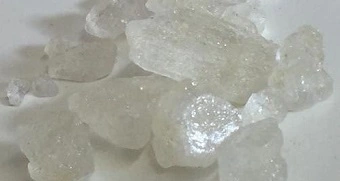
Thymol, a monoterpenoid phenol derived primarily from Thymus vulgaris (thyme), has emerged as a powerful natural substitute for synthetic chemicals across diverse industries. Recognized for its antimicrobial, antifungal, and antioxidant properties, thymol is revolutionizing sectors ranging from agriculture to pharmaceuticals and industrial cleaning. As industries shift toward eco-friendly solutions, thymol stands out as a sustainable, biodegradable alternative to synthetic compounds that pose environmental and health risks.
Thymol as a Game-Changer in Industrial Applications
Agriculture: A Natural Pesticide & Preservative
Agriculture relies heavily on synthetic pesticides, many of which have been linked to soil degradation, water contamination, and adverse health effects. Thymol offers a natural, plant-derived alternative that combats bacteria, fungi, and pests while preserving soil health.
- Biopesticide: Thymol acts as an effective insecticide against crop-damaging pests such as aphids, beetles, and caterpillars, reducing reliance on toxic chemical pesticides.
- Post-Harvest Preservation: Due to its strong antifungal properties, thymol prevents the growth of mold and bacteria on stored crops, increasing shelf life and minimizing food waste.
- Soil Treatment: Unlike synthetic fumigants, thymol-based soil treatments eliminate pathogens while preserving the integrity of microbial ecosystems.
Pharmaceuticals: A Potent Antiseptic & Medicinal Agent
Thymol's medicinal value has long been recognized, and it continues to play a vital role in pharmaceutical formulations. With growing concerns over antibiotic resistance, the demand for natural antimicrobial agents like thymol is surging.
- Antiseptic in Oral Care: Found in leading mouthwashe and toothpaste brands, thymol effectively combats plaque, gingivitis, and bad breath.
- Wound Healing: Its antibacterial and anti-inflammatory properties promote faster healing of cuts, burns, and infections.
- Respiratory Treatments: Thymol serves as an active ingredient in cough syrups, decongestants, and throat lozenges, easing respiratory discomfort caused by colds, flu, and bronchitis.
Industrial Cleaning & Sanitization
Industries that require high-level sanitation, such as food processing, healthcare, and hospitality, are shifting to thymol-based disinfectants due to concerns over the harmful effects of chemical-based cleaners.
- Eco-Friendly Disinfectants: Thymol is a key ingredient in EPA-approved hospital-grade disinfectants, proven effective against bacteria, viruses, and fungi, including Salmonella and E. coli.
- Non-Toxic Surface Cleaner: Unlike bleach and ammonia-based cleaners, thymol-based formulations are non-corrosive, biodegradable, and safe for use around food and children.
- Air Purification: Used in HVAC systems, thymol reduces airborne microbial contamination, improving indoor air quality in industrial and commercial spaces.
Food & Beverage Preservation
As consumer preference shifts toward natural food preservatives, thymol is being integrated into food packaging, preservation techniques, and flavor enhancement.
- Antimicrobial Packaging: Thymol-infused edible coatings and biodegradable packaging extend the shelf life of perishable foods by inhibiting bacterial and fungal growth.
- Meat and Dairy Preservation: Due to its ability to combat Listeria and Salmonella, thymol is used as a natural preservative in meat, dairy, and seafood products.
- Flavor Enhancer: As a natural flavoring agent, thymol enhances the taste of spices, teas, and beverages while offering additional health benefits.
The Sustainability Edge: Thymol as an Eco-Friendly Alternative
Unlike synthetic chemicals that persist in soil and water, thymol is biodegradable, breaking down naturally without leaving harmful residues. This makes it a preferred choice for industries committed to reducing pollution and environmental harm.
Thymol is derived from naturally occurring plants, making it a renewable resource. With the rising focus on sustainable agricultural practices, large-scale thymol production supports green chemistry initiatives.
Industries are moving away from toxic solvents, parabens, and synthetic preservatives in favor of plant-based solutions. Thymol's low toxicity, effectiveness at low concentrations, and non-carcinogenic properties render it a safer, human-friendly choice.
Final Thoughts
As industries move toward natural, non-toxic alternatives, thymol is set to become a cornerstone ingredient in agriculture, pharmaceuticals, industrial cleaning, and food preservation. Its proven efficacy, eco-friendliness, and safety profile make it a compelling replacement for synthetic chemicals. While hurdles remain, advances in sustainable sourcing, extraction technologies, and regulatory approvals will fuel thymol’s widespread adoption across multiple sectors.
Product Details:
Thymol Market Research Report 2024
Published: January 2024
Pages: 50
Market Publishers boasts a rich collection of insightful research studies covering the chemicals and petrochemicals market, find it in the Chemicals & Petrochemicals Market Reports Catalogue.
CONTACTS
The Market Publishers, Ltd.
Natalie Aster
Tel: +357 96 030922
[email protected]
MarketPublishers.com
Analytics & News
29 Oct 2026
Where Is the Diagnostics Market Heading? 10 Promising Sectors to Watch
26 Oct 2026
Weekly Chemical Market Tracker: Update for October 19-26, 2026
23 Oct 2026
Military Aviation Market: Recent Developments Shaping 2026
21 Oct 2026
New Era of Cryptocurrency: The Rise of Regulated Digital Finance
19 Oct 2026
Weekly Chemical Market Tracker: Update for October 12–19, 2026
