
Dimethyl Terephthalate: The Growing Importance in Sustainable Packaging
24 Jan 2025 • by Natalie Aster
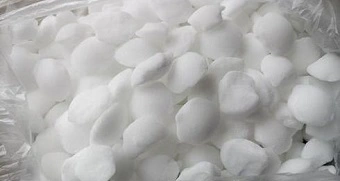
As the global push toward sustainability intensifies, industries are prioritizing eco-friendly practices. Among the materials gaining traction in the sustainable packaging sector is dimethyl terephthalate (DMT). This compound has emerged as a key component in creating recyclable and environmentally conscious packaging solutions, making it a crucial focus for manufacturers and environmentalists alike.
What Is Dimethyl Terephthalate?
DMT is an organic compound widely used in the production of polyester resins, films, and fibers. Its chemical structure, derived from terephthalic acid and methanol, makes it a vital precursor in the manufacturing of polyethylene terephthalate (PET) and other polyesters. DMT is particularly valued for its high purity, versatility, and ability to produce superior-quality polymers.
The Role of DMT in Sustainable Packaging
Enabling Recyclable PET Production
DMT serves as a critical raw material in the production of PET, which is one of the most recyclable plastics around the world. PET bottles, food containers, and packaging films derived from DMT can be recycled multiple times without substantial loss of quality. This recyclability minimizes waste accumulation and supports the circular economy by reducing reliance on virgin resources.
Reducing Carbon Footprint
Manufacturing processes involving DMT are increasingly optimized to cut greenhouse gas emissions. Breakthroughs in catalytic technologies and energy-efficient methods ensure that the production of DMT has a smaller carbon footprint compared to alternative materials. Furthermore, packaging solutions made with DMT-based PET require less energy to recycle, further enhancing their sustainability credentials.
Lightweight and Durable Properties
DMT-based PET packaging offers an ideal balance of durability and lightweight properties. This combination reduces transportation costs and energy consumption during logistics, while still ensuring robust protection for packaged goods. These attributes make DMT-derived materials a preferred choice for eco-conscious brands aiming to lower their overall environmental impact.
Advantages of Using DMT in Packaging
High Chemical Resistance: Packaging made from DMT-derived polyesters exhibits excellent chemical resistance. This property ensures that food, beverages, and other consumables remain uncontaminated, maintaining their quality and safety over extended periods.
Versatility Across Industries: From food and beverage packaging to pharmaceutical and personal care products, DMT-based PET caters to a wide range of applications. Its adaptability to various forms, such as films, sheets, and containers, allows manufacturers to meet diverse industry requirements without compromising on sustainability.
Enhanced Barrier Properties: DMT-derived materials provide superior barrier properties, protecting contents from moisture, oxygen, and light. This ensures extended shelf life for perishable goods, reducing food waste and further contributing to sustainable practices.
Innovations in DMT-Based Packaging
Bio-Based Alternatives
The rise of bio-based dimethyl terephthalate is a game-changer for sustainable packaging. Derived from renewable sources such as biomass, these bio-based variants significantly lower dependency on fossil fuels. They also align with global efforts to transition toward greener economies.
Advanced Recycling Techniques
Chemical recycling technologies now enable the recovery of DMT from used PET products, creating a closed-loop system. This innovative approach not only reduces waste but also ensures a consistent supply of high-quality raw materials for future production cycles.
Integration with Smart Packaging
DMT-based packaging is also being integrated with smart technologies, such as QR codes and embedded sensors, to enhance product tracking and consumer engagement. This technological advancement aligns with modern sustainability goals by promoting transparency and efficient resource utilization.
The Road Ahead DMT
Despite its numerous advantages, the adoption of DMT in sustainable packaging faces certain challenges. High initial production costs and competition from alternative materials can limit its widespread implementation. However, ongoing research and development are paving the way for cost reductions and improved efficiency, making DMT an increasingly viable option for eco-friendly packaging solutions. Growing environmental awareness among consumers is fueling the demand for products packaged in DMT-based materials. Industry leaders are forming strategic alliances to scale up the production and adoption of DMT-derived packaging solutions. Besides, policies promoting the adoption of recyclable and sustainable materials are driving investments in DMT production.
Final Thoughts
Dimethyl terephthalate is redefining the landscape of sustainable packaging with its unique properties and adaptability. As industries continue to prioritize environmental responsibility, DMT's role in producing recyclable and durable packaging materials will only grow in significance. Through continuous innovation and collaboration, DMT is set to become a cornerstone of the global shift toward a greener, more sustainable future.
Product Details:
Dimethyl Terephthalate (DMT): 2024 World Market Outlook and Forecast up to 2033
Published: January 2024
Pages: 115
Market Publishers boasts a rich collection of insightful research studies covering the chemicals and petrochemicals market, find it in the Chemicals & Petrochemicals Market Reports Catalogue.
CONTACTS
The Market Publishers, Ltd.
Natalie Aster
Tel: +357 96 030922
[email protected]
MarketPublishers.com
Analytics & News
29 Oct 2026
Where Is the Diagnostics Market Heading? 10 Promising Sectors to Watch
26 Oct 2026
Weekly Chemical Market Tracker: Update for October 19-26, 2026
23 Oct 2026
Military Aviation Market: Recent Developments Shaping 2026
21 Oct 2026
New Era of Cryptocurrency: The Rise of Regulated Digital Finance
19 Oct 2026
Weekly Chemical Market Tracker: Update for October 12–19, 2026
