
Sodium Thiosulphate Market: Major Applications Behind the Surging Demand
05 Jun 2024 • by Natalie Aster
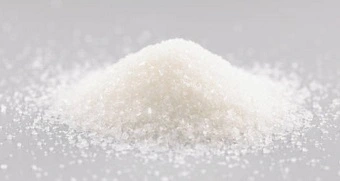
The sodium thiosulphate market has been witnessing substantial growth, driven by its diverse applications across different industries. This chemical compound, known for its robust properties and versatility, is pivotal in sectors ranging from healthcare to mining. Let’s delve into the primary applications of sodium thiosulphate that are fueling its demand and propelling the market forward.
Medical and Pharmaceutical Applications
Treatment of Cyanide Poisoning
One of the most critical end-uses of sodium thiosulphate is the cyanide poisoning treatment. Cyanide is a potent toxin that can be lethal in small doses. Acting as an antidote, sodium thiosulphate convert cyanide into thiocyanate, a less toxic compound that can be excreted by the body. This life-saving application is crucial in industrial settings where cyanide is used, such as in mining and chemical manufacturing.
Cancer Therapy
Sodium thiosulphate is also gaining attention in oncology. It is used as a chemoprotective agent to reduce the side effects of certain chemotherapy drugs. For instance, it helps mitigate ototoxicity caused by cisplatin, a chemotherapy drug used to treat various cancers. The ability of sodium thiosulphate to protect healthy tissues while allowing chemotherapy to target cancer cells is a significant advancement in cancer treatment protocols.
Industrial and Environmental Applications
Photographic Processing
Historically, one of the earliest and most well-known uses of sodium thiosulphate was in photographic processing. It serves as a fixer to dissolve unreacted silver halides from photographic paper or film, thereby stabilizing the image. While digital photography has reduced the demand in this sector, the compound remains essential for traditional photographic techniques and archival processes.
Water Treatment
In environmental applications, sodium thiosulphate is employed in water treatment processes. It is particularly effective in dechlorinating water, making it safe for discharge into natural bodies of water or for use in aquaculture. The compound neutralizes chlorine and chloramines, which can be harmful to aquatic life. This makes it a vital component in protecting aquatic ecosystems and maintaining ecological balance.
Analytical Chemistry and Laboratory Use
Titration Reagent
Sodium thiosulphate is widely used as a titration reagent in analytical chemistry, particularly in iodometric titrations. It is implemented to identify the concentration of oxidizing agents in solutions. The precision and reliability of sodium thiosulphate in these analytical procedures make it indispensable in laboratories and industrial quality control processes.
Reducing Agent
In chemical laboratories, sodium thiosulphate is employed as a reducing agent. It is used in various reactions where reduction is required, such as in the reduction of strong oxidizers. This application underscores its importance in synthetic chemistry and chemical manufacturing processes.
Mining and Mineral Processing
Gold Extraction
The mining industry is a significant contributor to the sodium thiosulphate demand growth, especially in gold extraction processes. Sodium thiosulphate is an eco-friendly alternative to cyanide in recovering gold from ores. The thiosulphate leaching process is less toxic and less damaging for the environment compared to traditional cyanide leaching, making it a preferred choice in sustainable mining practices.
Mineral Processing
Beyond gold extraction, sodium thiosulphate is used in various mineral processing applications. It aids in the separation and purification of different metals and minerals, enhancing the efficiency and yield of mining operations. Its role in mineral processing underscores its value in the global mining sector.
Other Emerging Applications
Textile Industry
Sodium thiosulphate is used in the bleaching and dyeing processes. It helps in removing excess dye and in the reduction of residual chlorine after bleaching, ensuring the quality and durability of the fabric. This application is crucial in producing high-quality textiles that meet consumer standards.
Food Preservation
Sodium thiosulphate is also being explored as a potential preservative in the food industry. Its antioxidant properties help to prolong the shelf life of certain food products by preventing oxidative spoilage. While this application is still emerging, it holds promise to enhance food safety and preservation.
To Conclude:
From life-saving medical treatments to environmental protection, and from enhancing industrial processes to supporting sustainable mining practices, sodium thiosulphate is an indispensable chemical compound. As novel applications continue to emerge, the demand for sodium thiosulphate is expected to rise, solidifying its position as a crucial component in diverse industrial and environmental sectors.
Product Details:
Sodium Thiosulphate Market Size, Trends, Analysis, and Outlook to 2030- Uncover Country and Company Growth Opportunities in 2024 and Beyond
Published: February 2024
Pages: 180
Market Publishers boasts a rich collection of insightful research studies covering the chemicals and petrochemicals market, find it in the Chemicals & Petrochemicals Market Reports Catalogue.
CONTACTS
The Market Publishers, Ltd.
Natalie Aster
Tel: +357 96 030922
[email protected]
MarketPublishers.com
Analytics & News
29 Oct 2026
Where Is the Diagnostics Market Heading? 10 Promising Sectors to Watch
26 Oct 2026
Weekly Chemical Market Tracker: Update for October 19-26, 2026
23 Oct 2026
Military Aviation Market: Recent Developments Shaping 2026
21 Oct 2026
New Era of Cryptocurrency: The Rise of Regulated Digital Finance
19 Oct 2026
Weekly Chemical Market Tracker: Update for October 12–19, 2026
