Atrazine: Enhancing Crop Yields Amid Environmental Challenges
13 May 2024 • by Natalie Aster
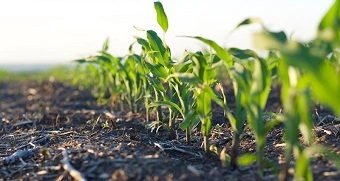
Securing high crop yields is paramount for feeding a rapidly increasing global population. Atrazine, a widely used herbicide, has emerged as a pivotal tool in modern farming practices. As farmers worldwide strive to augment crop yields and manage weeds effectively, understanding the intricacies of atrazine's use is essential.
A Critical Component in Weed Management
Atrazine is a selective herbicide primarily applied to control grassy and broadleaf weeds in crops such as sorghum, corn, and sugarcane. Its effectiveness lies in its ability to inhibit photosynthesis in susceptible plants, leading to their eventual death. This selectivity ensures that crops, that are naturally tolerant to atrazine, are not adversely affected, making it an invaluable tool for farmers.
Benefits of Atrazine Adoption in Modern Agriculture:
Enhanced Crop Yields
One of the primary benefits of atrazine is its contribution to higher crop yields. By eliminating competition from weeds, crops have better access to water, sunlight, and essential nutrients. This leads to healthier plants and significantly improved yields, which is crucial for meeting the food demands of a growing global population.
Cost-Effective Solution
Atrazine provides a cost-effective weed management solution. Compared to mechanical weed control methods, which are labor-intensive and expensive, atrazine offers a more economical alternative. This is particularly beneficial for large-scale farming operations where efficiency and cost savings are paramount.
Support for Conservation Tillage
Soil conservation practices, which help in minimizing soil erosion and maintaining soil health, are supported by the use of atrazine. By controlling weeds chemically, farmers can diminish soil disturbance, preserving soil structure and organic matter. This leads to the long-term sustainability of the farming ecosystem.
Environmental Concerns Loom Large
While atrazine offers numerous benefits, its use is not without challenges. Environmental concerns associated with atrazine primarily revolve around water contamination and impacts on non-target species.
Water Contamination: Atrazine can leach into groundwater and runoff into surface water, posing risks to aquatic ecosystems. Contaminated water sources can affect both wildlife and human populations, necessitating stringent regulatory measures to monitor and manage atrazine levels in water bodies.
Impact on Wildlife: Non-target species, including amphibians and aquatic organisms, may suffer adverse effects due to atrazine exposure. These impacts highlight the need for careful application and adherence to best practices to minimize environmental harm.
Resistance Development: Over-reliance on atrazine can lead to the development of resistant weed species, necessitating integrated weed management strategies.
Best Practices for Atrazine Adoption
To maximize the benefits of atrazine while mitigating its environmental risks, farmers and agricultural professionals should follow these best practices:
Adherence to Regulations
Strict adherence to regulatory guidelines is crucial. These guidelines, set by agricultural and environmental authorities, dictate appropriate application rates, timing, and methods to ensure the safe and effective use of atrazine.
Implementing Buffer Zones
Establishing buffer zones around water bodies can significantly reduce the risk of atrazine runoff. These zones act as barriers, preventing the herbicide from reaching and contaminating water sources.
Integrated Weed Management
Employing an integrated weed management strategy that combines chemical, mechanical, and biological control methods can reduce reliance on atrazine. This approach helps prevent the development of resistant weed species and promotes sustainable farming practices.
The Road Ahead
The future of atrazine lies in balancing its benefits with environmental stewardship. Advancements in formulation and application technology are being pursued to improve its efficacy while minimizing ecological footprints. Researchers are also exploring the genetic engineering of crops for enhanced resistance to atrazine and other herbicides, potentially reducing the need for chemical interventions.
Final Thoughts
Atrazine remains a cornerstone in the arsenal of modern farming practices, offering substantial benefits in weed management and crop yield enhancement. However, its use must be carefully managed to tackle environmental challenges. By adhering to best practices and leveraging technological innovations, farmers can harness the full potential of atrazine while ensuring sustainable and responsible agricultural practices. As we continue to refine these methods, atrazine will remain a vital tool in the quest to feed a growing world population while protecting our natural resources.
Product Details:
A full collection of in-demand research studies featuring different sectors of the agriculture market is available in this Market Publishers’ catalogue.
CONTACTS
The Market Publishers, Ltd.
Natalie Aster
Tel: +357 96 030922
[email protected]
MarketPublishers.com
Analytics & News
29 Oct 2026
Where Is the Diagnostics Market Heading? 10 Promising Sectors to Watch
26 Oct 2026
Weekly Chemical Market Tracker: Update for October 19-26, 2026
23 Oct 2026
Military Aviation Market: Recent Developments Shaping 2026
21 Oct 2026
New Era of Cryptocurrency: The Rise of Regulated Digital Finance
19 Oct 2026
Weekly Chemical Market Tracker: Update for October 12–19, 2026