Diammonium Sulfate: A Vital Component in Modern Agriculture
26 Apr 2024 • by Natalie Aster
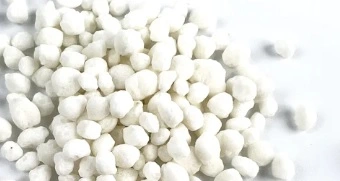
Diammonium sulfate, a chemical compound revered for its pivotal role in the agricultural sector, is emerging as an essential ingredient in the drive toward enhanced crop productivity and soil health. Composed of two ammonium ions and one sulfate ion, this fertilizer is not just a source of nutrients but also a catalyst for sustainable agricultural practices.
Chemical Properties and Production
The chemical formulation of diammonium sulfate (NH4)2SO4 makes it an excellent source of nitrogen and sulfur, two elements critical for plant growth. The production process of diammonium sulfate involves the neutralization of sulfuric acid with ammonia, a procedure that results in a highly soluble salt that is readily absorbed by plants. This high solubility ensures that the nutrients are immediately available to crops, enhancing their growth and bolstering yield.
Boosting Soil Fertility & Optimizing Agricultural Yields
A key attribute of diammonium sulfate is its ability to improve soil structure. By providing sulfur, which is often overlooked in soil management, it helps in the synthesis of essential amino acids and proteins in plants. Moreover, the nitrogen content promotes lush vegetative growth and the greening of leaves, which is vital for photosynthesis.
Incorporating diammonium sulfate into soil not only increases crop yield but also enhances the quality of the agricultural produce. Its balanced nutrient delivery system supports the growth of a wide range of crops, including wheat, maize, and rice, which are staples in global food supply chains. This makes diammonium sulfate a cornerstone in the efforts to achieve food security worldwide.
Major Environmental & Economic Benefits
Contrary to many chemical fertilizers, diammonium sulfate offers several environmental benefits. Its application in agriculture can help in lowering greenhouse gas emissions by optimizing the amount of nitrogen used and reducing the need for multiple applications. Additionally, because it breaks down into components that are beneficial rather than harmful to the soil, it minimizes the risk of water contamination, a common issue with many synthetic fertilizers.
From an economic perspective, the use of diammonium sulfate can significantly reduce farming costs. Its effectiveness in smaller quantities compared to other fertilizers reduces the overall expense in agricultural operations. Additionally, the improvement in crop quality and yield leads to better market prices and increased profitability for farmers globally.
Final Thoughts: Fueling the Future of Sustainable Agriculture
Diammonium sulfate remains a cornerstone in modern agriculture, offering unmatched benefits in terms of crop yield, soil health, and environmental sustainability. Its role in supporting global food security and economic stability in farming communities makes it an invaluable resource in the agricultural sector.
The global demand for diammonium sulfate is expected to continue rising as the world seeks more sustainable and efficient ways to enhance agricultural output. With the ongoing research and development aimed at improving its efficacy and reducing its environmental footprint, diammonium sulfate is poised to play an even more critical role in the future of farming.
Product Details:
Diammonium Sulfate Market Report: Trends, Forecast and Competitive Analysis to 2030
Published: January 2024
Pages: 150
Market Publishers boasts a rich collection of insightful research studies covering the chemicals and petrochemicals market, find it in the Chemicals & Petrochemicals Market Reports Catalogue.
CONTACTS
The Market Publishers, Ltd.
Natalie Aster
Tel: +357 96 030922
[email protected]
MarketPublishers.com
Analytics & News
29 Oct 2026
Where Is the Diagnostics Market Heading? 10 Promising Sectors to Watch
26 Oct 2026
Weekly Chemical Market Tracker: Update for October 19-26, 2026
23 Oct 2026
Military Aviation Market: Recent Developments Shaping 2026
21 Oct 2026
New Era of Cryptocurrency: The Rise of Regulated Digital Finance
19 Oct 2026
Weekly Chemical Market Tracker: Update for October 12–19, 2026