Polyethylene Terephthalate (PET) Market: A Crossroads of Soaring Demand & Ecological Concerns
01 Sep 2023 • by Natalie Aster
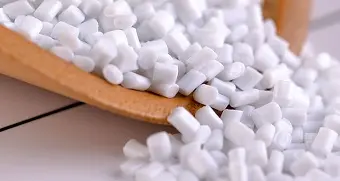
In an era where materials are engineered to meet highly specialized applications, polyethylene terephthalate (PET) stands as a versatile giant, boasting a range of uses from food packaging to high-strength fibers. A form of polyester, PET is a plastic resin and is a commonly used type of polymer. Its ubiquity is a testament to its advantageous properties, such as durability, low weight, and recyclability, among others. In today's rapidly evolving world, the PET industry stands at the crossroads of innovation, sustainability, and growth.
Introduction to Polyethylene Terephthalate (PET)
Polyethylene terephthalate (PET) is a thermoplastic polymer that belongs to the polyester family; it is synthesized from petroleum-derived ethylene glycol and terephthalic acid. This versatile polymer finds its application in various industries due to its exceptional properties. PET is widely recognized for its lightweight, durable, and transparent nature, making it a preferred choice for packaging materials. Its remarkable ability to be recycled further adds to its appeal in the age of sustainability.
Major Applications of PET:
- Packaging Industry:
PET's exceptional barrier properties against oxygen and moisture make it a preferred choice for packaging perishable goods. It extends the shelf life of food and beverages and prevents spoilage. - Textile Industry:
PET is transformed into polyester fibers used to make clothing, upholstery, and other textiles. These fibers offer durability, wrinkle resistance, and moisture-wicking properties, making them suitable for activewear and outdoor gear. - Bottling Industry:
Perhaps one of the most recognizable uses of PET is in the production of plastic bottles. Its lightweight nature, transparency, and recyclability make it an ideal choice for packaging water, soft drinks, and other beverages. - Medical Sector:
PET's hygienic qualities and ability to resist chemicals make it suitable for medical applications. It is used in the creation of medical equipment, such as trays, containers, and even some implantable devices. - Electronics Sector:
PET is used in electronics as a protective layer due to its dielectric properties. It is commonly found in flexible circuit boards, insulating films, and touchscreen panels.
Historical Background of the PET Market
PET has emerged as a prominent material in the 20th century. It was initially developed in the early 1940s, gaining rapid prominence in textile applications where it was commonly known as "Dacron," a trademark of DuPont. In the late 1950s and 1960s, it gained further attention as a packaging material due to its unique properties, such as excellent moisture resistance, durability, and low weight.
The 1970s marked a significant transition for PET when it began replacing glass in beverage bottling, altering the packaging landscape forever. With the oil crises of the 1970s, PET emerged as a cost-effective alternative to heavier, more expensive materials. Throughout the 1980s and 1990s, advancements in PET resin technology further widened its applicability, making it suitable for uses ranging from automobile components to electronic devices.
The early 2000s saw an increased emphasis on sustainability, prompting manufacturers to invest in the recycling capabilities of PET. The circular economy model, emphasizing reusing and recycling, has further propelled the growth of the PET market as recycled PET (rPET) became a commodity in its own right.
Insights into the Current Scenario of the PET Market
Fast-forward to the present day, the PET market continues to exhibit robust growth, driven by various factors. The global packaging industry remains a significant end-user, where PET is employed for food and beverage containers, pharmaceutical packaging, and household products. In particular, the rise of e-commerce and the demand for convenient and lightweight packaging have fueled PET usage.
Key Trends Shaping the PET Market
Increasing Adoption in the Healthcare Sector
Moreover, PET has emerged as a crucial material in the medical industry, especially in single-use medical devices, diagnostic equipment, and sterile packaging, largely accelerated by the COVID-19 pandemic. Innovations in barrier technologies have made PET even more attractive for sensitive applications where the material's innate properties may not suffice.
Sustainable Packaging Solutions
As consumers grow increasingly conscious of environmental impact, the PET market has responded by embracing sustainable packaging solutions. Brands and manufacturers are actively seeking ways to reduce plastic waste and incorporate recycled PET (rPET) into their products. This shift towards eco-friendly packaging not only addresses environmental concerns, but also enhances brand reputation.
Technological Advancements
The PET industry is witnessing continuous technological advancements aimed at improving production efficiency, product quality, and sustainability. Innovations in PET manufacturing processes, such as the development of more energy-efficient production methods, contribute to reduced carbon emissions and overall environmental impact.
Rising Demand for PET in the Textile Industry
Apart from its use in packaging, PET has found its way into the textile industry as well. Recycled PET fibers are used to create sustainable and cost-effective textiles, reducing the need for virgin materials. This trend aligns with the growing demand for eco-friendly clothing and furnishings.
Key Challenges Facing the PET Market
Despite the promising outlook, the PET market faces challenges, primarily related to environmental concerns. Stricter regulations on single-use plastics and increased consumer awareness are driving manufacturers to explore bio-based PET and invest in recycling technologies.
Additionally, market competitiveness, volatile raw material prices, and geopolitical tensions also pose challenges that market players need to navigate carefully. Industry collaborations focusing on sustainable sourcing and closed-loop recycling systems are becoming essential strategies to ensure long-term growth.
Future Prospects of the PET Market
The future of the PET market appears promising, with several key factors contributing to its growth and expansion.
Urbanization and Consumerism
As urbanization continues to drive consumerism, the demand for packaged goods is expected to rise. This directly impacts the PET market, as packaging materials remain essential to safeguard products during transportation and storage.
Circular Economy Initiatives
The global emphasis on transitioning towards a circular economy bodes well for the PET market. Manufacturers are investing in research and development to create fully recyclable PET products, aligning with the principles of a circular economy and minimizing waste.
Technological Breakthroughs
The industry is anticipated to see ongoing technological breakthroughs in PET production, further enhancing its properties and applications. As research and innovation continue, we can expect to see PET materials with enhanced barrier properties, improved thermal stability, and greater versatility.
Bottom Line
The PET market has evolved substantially since its inception, demonstrating flexibility and adaptability. From its early days in textile applications to its current dominance in multiple industries, PET has proven its utility time and again. While the material faces challenges ahead, notably from environmental concerns, its diverse applicability and ongoing innovations suggest a market that will continue to flourish in various sectors.
The PET market stands as a testament to the adaptability of industries in the face of evolving consumer preferences and global trends. With sustainability, technological advancements, and innovative applications at its forefront, the PET market is poised for a promising future.
Product Details:
Polyethylene Terephthalate (PET): 2023 World Market Outlook and Forecast up to 2032
Published: September 2023
Pages: 307
Market Publishers boasts a rich collection of insightful research studies covering the chemicals and petrochemicals market, find it in the Chemicals & Petrochemicals Market Reports Catalogue.
CONTACTS
The Market Publishers, Ltd.
Natalie Aster
Tel: +357 96 030922
Fax: +44 207 900 3970
[email protected]
MarketPublishers.com
Analytics & News
29 Oct 2026
Where Is the Diagnostics Market Heading? 10 Promising Sectors to Watch
26 Oct 2026
Weekly Chemical Market Tracker: Update for October 19-26, 2026
23 Oct 2026
Military Aviation Market: Recent Developments Shaping 2026
21 Oct 2026
New Era of Cryptocurrency: The Rise of Regulated Digital Finance
19 Oct 2026
Weekly Chemical Market Tracker: Update for October 12–19, 2026