
Edible Packaging: A Promising Solution to the Environmental Crisis
21 Apr 2023 • by Natalie Aster
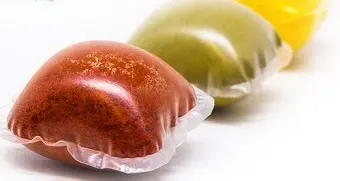
Edible packaging is gaining considerable attention as a sustainable and innovative solution to the growing problem of plastic waste. While traditional packaging materials continue to contribute to pollution and waste, edible packaging offers a viable alternative that is both eco-friendly and practical. With the rising awareness of environmental conservation among people coupled with the soaring demand for eco-friendly packaging alternatives, the edible packaging market is slated for remarkable growth in the years ahead.
Types of Edible Packaging Materials
Nowadays, the edible packaging industry comprises a diverse range of materials and technologies. Some of the most prominent materials used in the production of edible packaging include:
Polysaccharides
These natural polymers (including cellulose, chitosan, and starch) are derived from plants and animals. They provide excellent moisture and oxygen barrier properties, making them ideal for protecting perishable food items.
Proteins
Edible protein films (such as gelatin, casein, and soy) are known for their mechanical strength, elasticity, and water resistance. They can be used to coat various food products, increasing their shelf life and diminishing the need for synthetic packaging.
Lipids
Edible lipid coatings (like carnauba wax, beeswax, and candelilla wax) provide a hydrophobic layer that prevents moisture absorption and preserves the freshness of food products.
Composite materials
Combining multiple edible materials can create packaging solutions with enhanced properties. For example, the combination of polysaccharides and proteins can result in packaging materials with improved barrier properties and enhanced mechanical strength.
Key Advantages of Edible Packaging
Edible packaging materials provide numerous benefits over traditional ones. Some of the key advantages include:
Reduced waste: The adoption of edible packaging can substantially cut back on the amount of waste generated by the food industry. As the packaging is consumed together with the food, there is no need for separate disposal, which reduces negative environmental impacts.
Sustainability: Edible packaging materials are often derived from natural sources, making them biodegradable and renewable. This leads to a more sustainable food packaging system and reduced carbon footprints.
Increased shelf life: The protective properties of edible packaging can enhance the shelf life of food and also reduce food spoilage and waste.
Consumer appeal: Edible packaging offers a unique and innovative way to present food products, enhancing their appeal to consumers and providing new marketing opportunities for food companies.
Major Applications of Edible Packaging
Food Industry
The food industry has been the primary adopter of edible packaging, with applications in confectionery, fresh produce, snacks, and beverages. Edible packaging can help extend the storage period, keep freshness, as well as rise the sensory appeal of food products.
Pharmaceutical Industry
The penetration of edible packaging is also getting up steam in the pharmaceutical industry, as it can be used to deliver medication in a more sustainable and user-friendly manner. Edible films can be employed to encapsulate medicines, providing a convenient and easy-to-consume format.
Personal Care Industry
In the personal care industry, edible packaging has found applications in products such as toothpaste tablets and solid shampoo bars. These innovative packaging solutions present the potential not only to reduce the amount of waste generated but also to provide a unique user experience that can set brands apart in a competitive environment.
Edible Packaging Market Trends & Challenges
Around the globe, the edible packaging market exhibits healthy growth rates. Key market growth engines include the mounting demand for sustainable packaging solutions and rising environmental concerns.
Although the edible packaging market presents lucrative growth potential, there are still certain challenges that need to be addressed. As edible packaging materials contact directly with food products, they must comply with strict food safety standards and regulations, and this can be complex and time-consuming for manufacturers. Furthermore, the production of edible packaging materials can be more expensive as against conventional packaging materials. This may limit the widespread adoption of edible packaging solutions, particularly in price-sensitive markets. Besides, some edible packaging materials may not provide the same level of protection as traditional packaging materials, particularly in terms of moisture and oxygen barrier properties; this could limit their applications in certain food products.
Future Outlook
Despite the existing challenges, the future of the edible packaging market looks promising. This market is slated for continued growth as consumer demand for sustainable and eco-friendly products continues to rise. Advances in material science and technology will likely lead to the development of new and improved edible packaging solutions that address current limitations and broaden the range of applications.
Edible packaging has the potential to transform the packaging industry, offering innovative and sustainable solutions to deal with environmental challenges posed by conventional packaging materials and at the same time enhancing the customer experience. As research and development efforts continue, it is expected that edible packaging solutions will become more widespread, offering companies new opportunities to differentiate themselves in a competitive market while reducing their environmental impact. As the market continues to grow and evolve, it is crucial for businesses to stay updated with the latest trends and developments in order to remain competitive and capitalize on new opportunities.
Product Details:
Edible Packaging: Global Market
Published: April 2023
Pages: 149
Price: US$ 5,500.00
Many other topical research reports covering various sectors of the packaging industry can be found in this Market Publishers’ catalogue.
CONTACTS
The Market Publishers, Ltd.
Natalie Aster
Tel: +357 96 030922
[email protected]
MarketPublishers.com
Analytics & News
29 Oct 2026
Where Is the Diagnostics Market Heading? 10 Promising Sectors to Watch
26 Oct 2026
Weekly Chemical Market Tracker: Update for October 19-26, 2026
23 Oct 2026
Military Aviation Market: Recent Developments Shaping 2026
21 Oct 2026
New Era of Cryptocurrency: The Rise of Regulated Digital Finance
19 Oct 2026
Weekly Chemical Market Tracker: Update for October 12–19, 2026
