
Comprehensive Guide to the Expanding Rubber Additives Market
18 Apr 2023 • by Natalie Aster
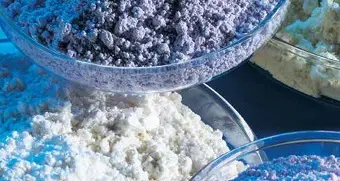
Rubber additives are key components that enhance the properties and performance of rubber materials, improving their resistance, flexibility, and durability. The rubber additives market has experienced a significant boom in recent years, with numerous industries relying on high-performance rubber products to meet the demands of their applications.
Key Types of Rubber Additives and Their Applications:
Antioxidants
Antioxidants are one of the most commonly used additives. They are added to prevent rubber materials from deteriorating due to exposure to heat, light, and oxygen. Antioxidants increase the lifespan of rubber products, making them more durable and resistant to wear and tear. There are different types of antioxidants used in rubber production, such as phenolic and amine-based antioxidants, which differ in their properties and effectiveness.
Accelerators
Accelerators are crucial in the vulcanization process, reducing the time and temperature required for rubber curing. They enhance the cross-linking efficiency and improve strength, elasticity, and resistance to wear and tear.
Processing Aids
Processing aids, including plasticizers and softeners, are used to improve processability during manufacturing and increase the flexibility and softness of rubber products. They reduce the energy required for mixing and extrusion, ensuring a smooth and consistent product output. Processing aids are commonly used in the production of rubber products such as gaskets, seals, and hoses.
Reinforcing Agents
Reinforcing agents, including silica and carbon black, are added to enhance rubber mechanical properties, including tensile strength as well as tear and abrasion resistance. They are vital in the production of high-performance rubber products, like tires and industrial hoses. Carbon black is the most commonly used reinforcing agent.
Fillers
Fillers are used to reduce the cost of rubber products while also enhancing their properties. They are added to increase the volume and reduce the amount of expensive rubber used in the production process. Fillers can also improve the mechanical properties of rubber products, such as their abrasion resistance and tensile strength. Common fillers used in the industry include clay, talc, and calcium carbonate.
Specialty Additives
Specialty additives, such as flame retardants and antistatic agents, impart specific functionalities to rubber materials, depending on the desired application. They cater to niche markets, like aerospace, electronics, and construction.
Global Rubber Additives Market Drivers & Trends:
Expanding Automotive Industry
The automotive industry is a significant consumer of rubber additives, as they are extensively used in the production of tires, belts, seals, hoses, and gaskets. The soaring demand for lightweight and fuel-efficient vehicles drives the increasing adoption of high-performance rubber components, and, thus, spurs the rubber additives market growth. The mounting demand for automobiles, especially across emerging economies, also boosts the market growth.
Robust Industrialization & Urbanization
The rapid pace of industrialization and urbanization, particularly in emerging economies, has spurred the demand for rubber products in the construction, manufacturing, and transportation sectors. The consumer goods market, including footwear, sports equipment, and home appliances, also relies on rubber additives to produce high-quality, durable rubber goods.
Advancements in Rubber Additive Technologies
The continuous breakthroughs in rubber additive technologies have made it possible for manufacturers to produce cutting-edge rubber additives that offer exceptional properties and introduce eco-friendly and sustainable additives. This progress is encouraging growth of the rubber additives market, as consumers and end-use industries alike seek the highest quality products for their applications.
Mounting Demand for High-Quality Rubber Materials
There's no denying that the world is hooked on rubber. From the tires on our cars to the soles of our shoes, rubber plays an essential role in our everyday lives. The ever-growing demand for top-notch rubber products has led to an increased need for rubber additives, which are essential for achieving desirable qualities such as longevity, resistance to wear and tear, and elasticity.
Rising Environmental Concerns & Regulations
With the increasing emphasis on eco-friendly practices and sustainability around the globe, there's been a shift towards developing green rubber additives that reduce environmental impact. Regulations surrounding rubber production and disposal have prompted the rubber additives market to evolve, and manufacturers are now focusing on the development of innovative solutions to meet these requirements.
Regional Analysis of Rubber Additives Market:
Asia-Pacific:
Asia-Pacific is the largest and fastest-growing regional market for rubber additives, driven by the rapid industrialization and expanding automotive sector in countries like China, India, and Southeast Asian nations. The region is also a significant producer of natural rubber, providing a competitive advantage for local rubber additive manufacturers.
North America:
The North American market for rubber additives is propelled by the strong automotive and industrial sectors, as well as the mounting demand for eco-friendly and sustainable additives. Technological advancements and strict environmental regulations also play an essential role in shaping the region's rubber additives market.
Europe:
Europe's rubber additives market benefits from its well-established automotive and industrial sectors, with a focus on high-quality and high-performance rubber products. The stringent environmental regulations in the region have led to the increased adoption of sustainable rubber additive technologies.
Latin America:
The rubber additives market in the Latin American region is witnessing steady growth, driven by the expansion of automotive and industrial sectors in countries like Brazil, Argentina, and Mexico. The soaring demand for high-performance rubber products, coupled with increasing investments in the region's rubber industry, is projected to add to the market growth.
Middle East & Africa:
The Middle East and Africa rubber additives market is slated for steady growth, fueled by the expanding automotive and construction sectors in the region. Rising investments in infrastructure projects and the development of local rubber industries are expected to open lucrative opportunities for rubber additive manufacturers.
Future Prospects of Rubber Additives Market
The rubber additives market is anticipated to witness resilient growth in the years ahead, supported by the surging demand for high-performance rubber products across various industries. The advancements in rubber additive technologies, growing focus on sustainability, and rising investments in emerging economies will further contribute to the market expansion. The global rubber additives market is predicted to expand at a 4.1% CAGR in the next 5 years and reach USD 7 billion in value terms in 2028.
To remain competitive in this ever-evolving market, manufacturers must focus on research and development, exploring innovative and eco-friendly rubber additive solutions. Collaborations and strategic partnerships can also help companies expand their product offerings and geographical reach, strengthening their positions in the world’s rubber additives market.
Product Details:
Published: March 2023
Pages: 143
Price: US$ 2,499.00
A full collection of Market Publishers’ research reports covering the rubber market can be found on this page.
CONTACTS
The Market Publishers, Ltd.
Natalie Aster
Tel: +357 96 030922
Fax: +44 207 900 3970
[email protected]
MarketPublishers.com
Analytics & News
29 Oct 2026
Where Is the Diagnostics Market Heading? 10 Promising Sectors to Watch
26 Oct 2026
Weekly Chemical Market Tracker: Update for October 19-26, 2026
23 Oct 2026
Military Aviation Market: Recent Developments Shaping 2026
21 Oct 2026
New Era of Cryptocurrency: The Rise of Regulated Digital Finance
19 Oct 2026
Weekly Chemical Market Tracker: Update for October 12–19, 2026
